What Are the Alternative Routes to ADI Part 3 Training?
When you say "alternative routes to Part 3 training," what alternatives do you want to compare?
When you say "alternative routes to Part 3 training," what alternatives do you want to compare?
For example, are you thinking about things like:
One-to-one in-car training vs group training
Online-only courses vs practical coaching
ORDIT trainers vs non-ORDIT trainers
Franchise/company training vs independent trainers
Role-play with other PDIs vs teaching real pupils on a trainee licence
Intensive courses vs training over several months
Coaching from an experienced trainer vs learning from YouTube and social media
Quick answers "alternative routes to Part 3 training," As Driving Instructor trainers for 20 years - here's our quick answers.
One-to-one in-car training vs group training - One-to-one in-car training every time
Online-only courses vs practical coaching - online to build your knowledge, practical training to put it into practice
ORDIT trainers vs non-ORDIT trainers - ORDIT
Franchise/company training vs independent trainers - This needs to be your choice
Role-play vs teaching real pupils on a trainee licence - Role play
Intensive courses vs training over several months - Both work well
Coaching from an experienced trainer vs learning from YouTube and social media - Experienced trainer
What Are the Alternative Routes to ADI Part 3 Training?
What Are the Alternative Routes to ADI Part 3 Training?
If you're searching for alternative routes to ADI Part 3 training, there's a good chance you're asking one of two questions.
The first is whether there's an alternative to signing up with one of the big national driving schools.
The second is whether there are different ways of preparing for the ADI Part 3 test, such as one-to-one coaching, online learning, role play or trainee licence experience.

Why Many Trainees Look for an Alternative
Why Many Trainees Look for an Alternative
One of the biggest reasons people start looking elsewhere is because of their first contact with a large national training provider.
Instead of discussing their experience, strengths and concerns, the conversation often becomes a sales process. Before long, they're being encouraged to sign an 18-month or two-year franchise agreement.
Many people tell me they felt like a number rather than an individual.
That doesn't mean every national company is the same, but it does explain why so many trainees start searching for independent alternatives.
The Different Routes to ADI Part 3 Training
The Different Routes to ADI Part 3 Training
There are several ways to prepare for the ADI Part 3 test.
National Driving School Training
Large national providers often offer complete training packages covering all three qualifying tests.
For some people this works well.
For others, the training can become closely linked to joining the company's franchise afterwards. If that's not what you're looking for, it's worth asking plenty of questions before committing.

Independent ORDIT-Registered Trainers
Independent ORDIT-Registered Trainers
Many trainees decide to train with an independent ORDIT trainer instead.
ORDIT stands for the Official Register of Driving Instructor Trainers. It is the qualification the DVSA recommends you look for when choosing a driving instructor trainer.
We've been ORDIT registered for over 20 years, and during that time we've trained people who've travelled from all over the UK because they wanted personalised training rather than being part of a large programme.
One-to-One In-Car Training
One-to-One In-Car Training
This is where I believe the biggest improvements happen.
Every trainee is different. Some need help with commentary driving.
Others struggle with fault analysis. Some need to improve their lesson planning. Others simply need to deepen their subject knowledge.
That's why we don't follow a fixed syllabus.
The first question I ask isn't, "Today we're covering roundabouts."
It's:
"Is there anything in particular you'd like to strengthen today?"
From there we assess where you are, identify your strengths and weaknesses, and build the training around you.


Online Learning
Online Learning
Online learning has its place. In fact, we use it ourselves.
But it should be used to build knowledge before you get into the car, not replace practical coaching altogether.
If you already understand the subject, you don't spend valuable in-car time learning theory that could have been covered from home.
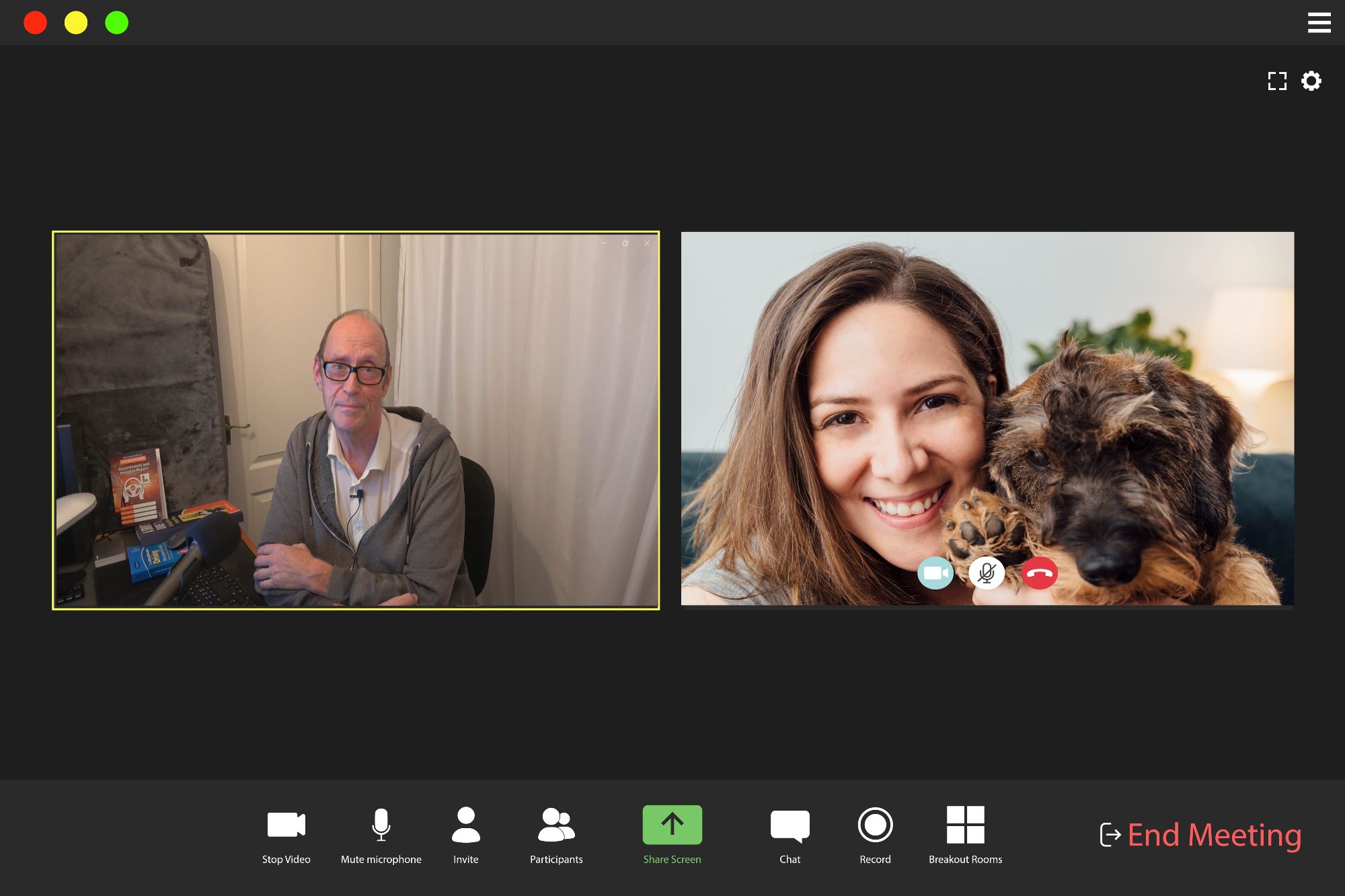
One-to-One Zoom Coaching
One-to-One Zoom Coaching
This is another option many people overlook.
Think of it as sitting down with an ORDIT trainer without travelling halfway across the country.
You're at home with a cup of coffee and a biscuit, asking questions about anything you've covered in the online course or struggled with during your practical sessions.
Because it's one to one, the discussion stays focused on your needs rather than everyone else's.

Role Play
Role Play
This is one of the most valuable parts of Part 3 preparation. Many people assume teaching real learners is enough. It isn't always.
If you're practising meeting traffic but your learner never encounters a challenging meeting situation, you've missed the opportunity to develop that skill.
With structured role play, your trainer can become:
A nervous learner.
An overconfident learner.
Someone with poor knowledge.
Someone lacking confidence.
Someone with a specific driving fault.
That allows you to practise exactly the teaching skills you need rather than hoping the situation appears naturally.
Teaching on a Trainee Licence
Teaching on a Trainee Licence
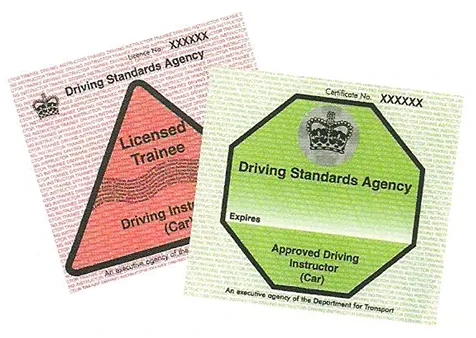
A trainee licence can be useful. It is not essential.
We've helped many trainees pass ADI Part 3 without ever teaching on a trainee licence.
Sometimes teaching real learners can even reinforce bad habits if those habits aren't identified and corrected early enough.
For example, it's common to hear a trainee simply say:
"Go straight over the roundabout."
Taken literally, that instruction isn't very helpful. The learner then has to work out what the instructor actually meant.
Good coaching removes ambiguity. That's why structured role play alongside one-to-one coaching can often accelerate development.
The Biggest Mistakes I See
Over the years I've noticed the same mistakes appearing again and again.
Choosing on Price Alone
If you see a complete driving instructor training package advertised for £800 or £1,200, ask yourself one question. How does the maths work?
Even charging £30 per hour, fifty hours of practical training alone would exceed that figure. Many providers recover their money through long-term franchise agreements. There's nothing wrong with franchises if that's what you want. Just understand exactly what you're signing up for.
Assuming Bigger Means Better
Many people naturally believe a large national company must provide the best training. Sometimes that's true. Sometimes it isn't.
Large advertising budgets don't necessarily produce better coaching. Always judge the quality of the trainer rather than the size of the company.
Believing Every Driving Instructor Can Train Driving Instructors
Teaching learners and training instructors are completely different skills. A good driving instructor isn't automatically a good driving instructor trainer.
Training PDIs involves identifying faults, creating realistic scenarios, analysing performance and developing teaching ability.
Those skills require experience.