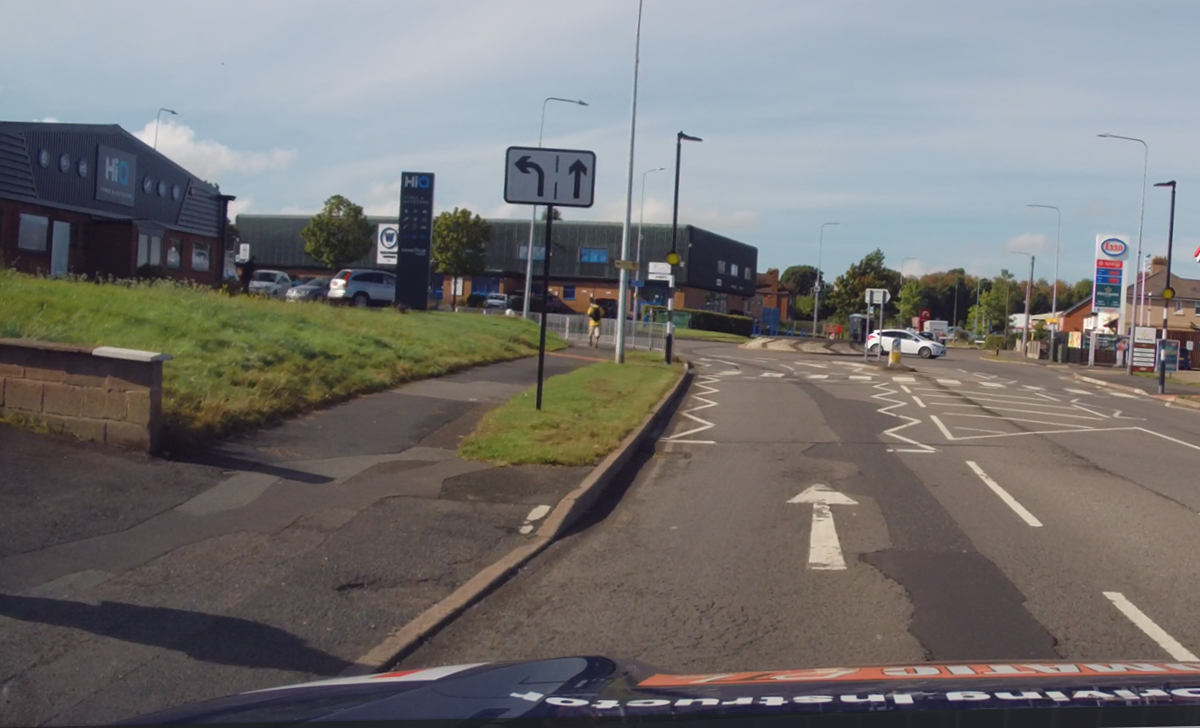
Roundabouts - Identifying them
Follow us on Youtube - Books - Online Training
Identifying a Roundabout: Signs and Road Markings Made Simple
Identifying a Roundabout: Signs and Road Markings Made Simple
Before a pupil can deal with priority, gaps, or observations… they need to answer one simple question:
“Am I approaching a roundabout?”
It sounds obvious — but this is where many learners (and even trainees) go wrong. They spot it too late, or worse… they don’t recognise it at all until they’re already committed.
A good driver doesn’t react to a roundabout.
They recognise it early.
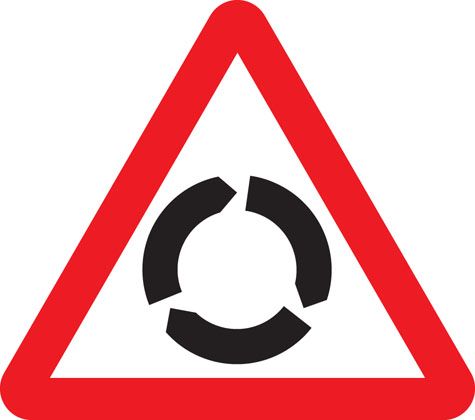
Roundabout Warning Sign
The First Clue: The Roundabout Warning Sign This is your early heads-up.
A red triangle with circular arrows means:
“There’s a roundabout ahead — start thinking now.”
At this point, a well-trained driver should already be:
Checking mirrors
Adjusting speed
Planning position
Thinking about direction
ADI coaching tip:
Don’t wait until you see the roundabout — teach pupils to react to the sign, not the junction.
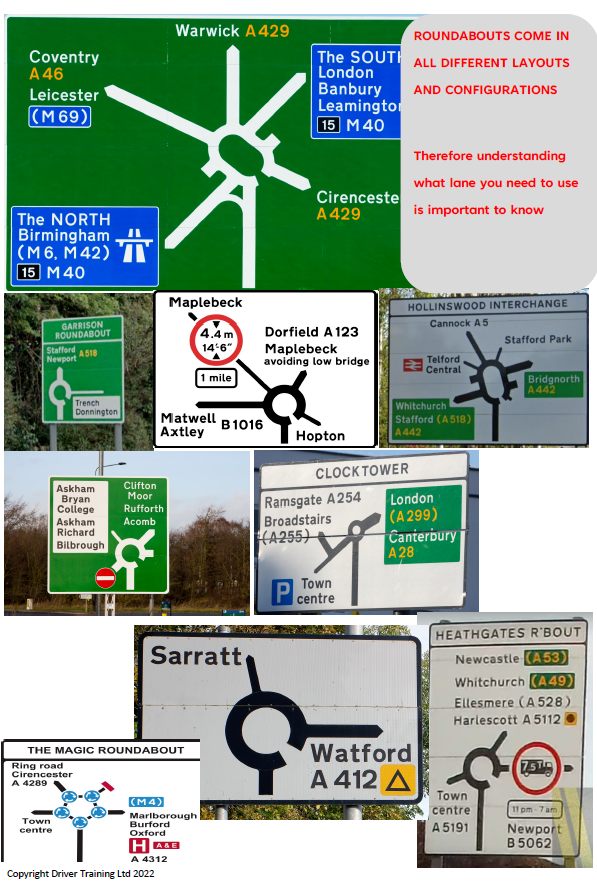
Direction Signs: Where Each Lane Goes
Direction Signs: Where Each Lane Goes
These signs show:
The layout of the roundabout
The exits available
Which lane you should be in
Think of it as a map before the decision.
This is where planning happens.
Common learner issue:
They ignore the sign… then panic at the roundabout.
“Read the road before you reach it.”
Roundabout Road Markings
Road Markings: The Final Confirmation
As you get closer, the road itself starts talking to you.
Look for: 🔹 Give Way Line - Broken white line across your lane
This means: you must give way before entering - 🔹 Lane Arrows - Painted on the road - Show direction: left, ahead, right
These are especially important on busy or multi-lane roundabouts.
Mini Roundabout Marking - A small painted white circle
These catch learners out because they look insignificant — but the rules are exactly the same.
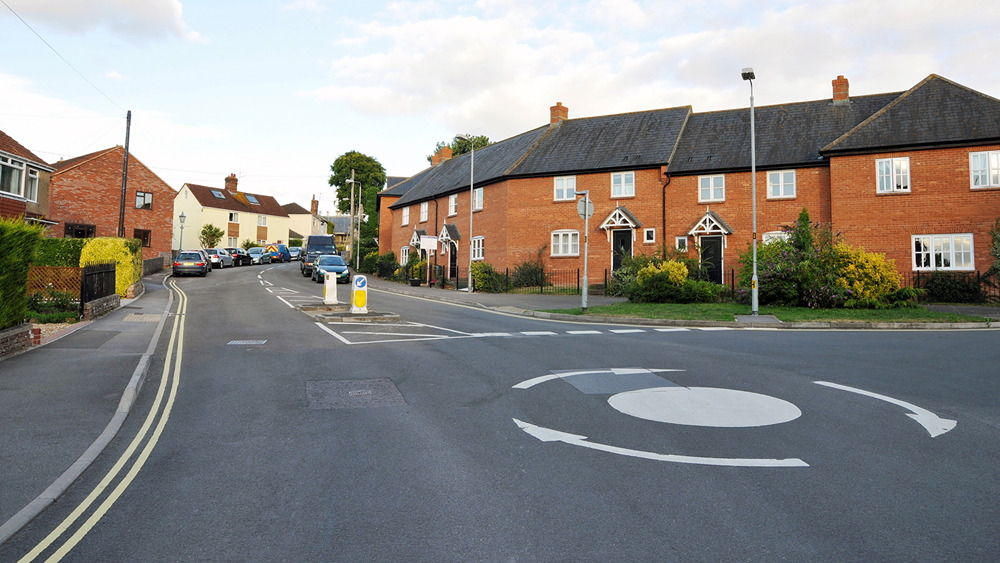
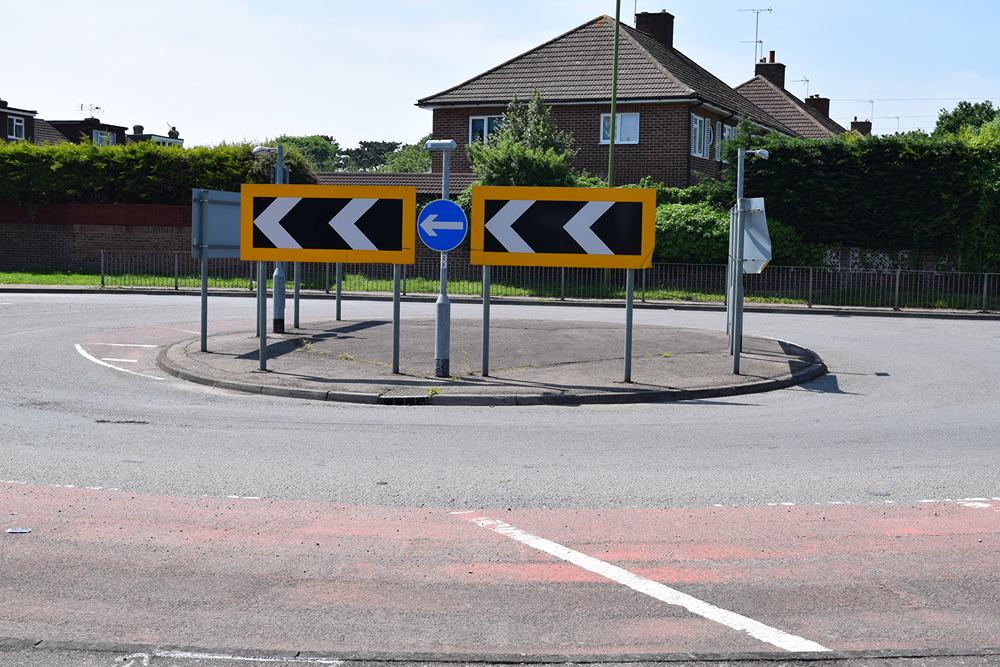
Roundabout Markings
The Subtle Ones (Where Experience Shows)
Not all roundabouts shout at you. -Some whisper.
You might notice:
A sudden change in road layout
A central island appearing late
Traffic naturally curving around a centre
These are the ones that test awareness.
Classic mistake:
Treating a roundabout like a normal junction… because it wasn’t recognised early enough.
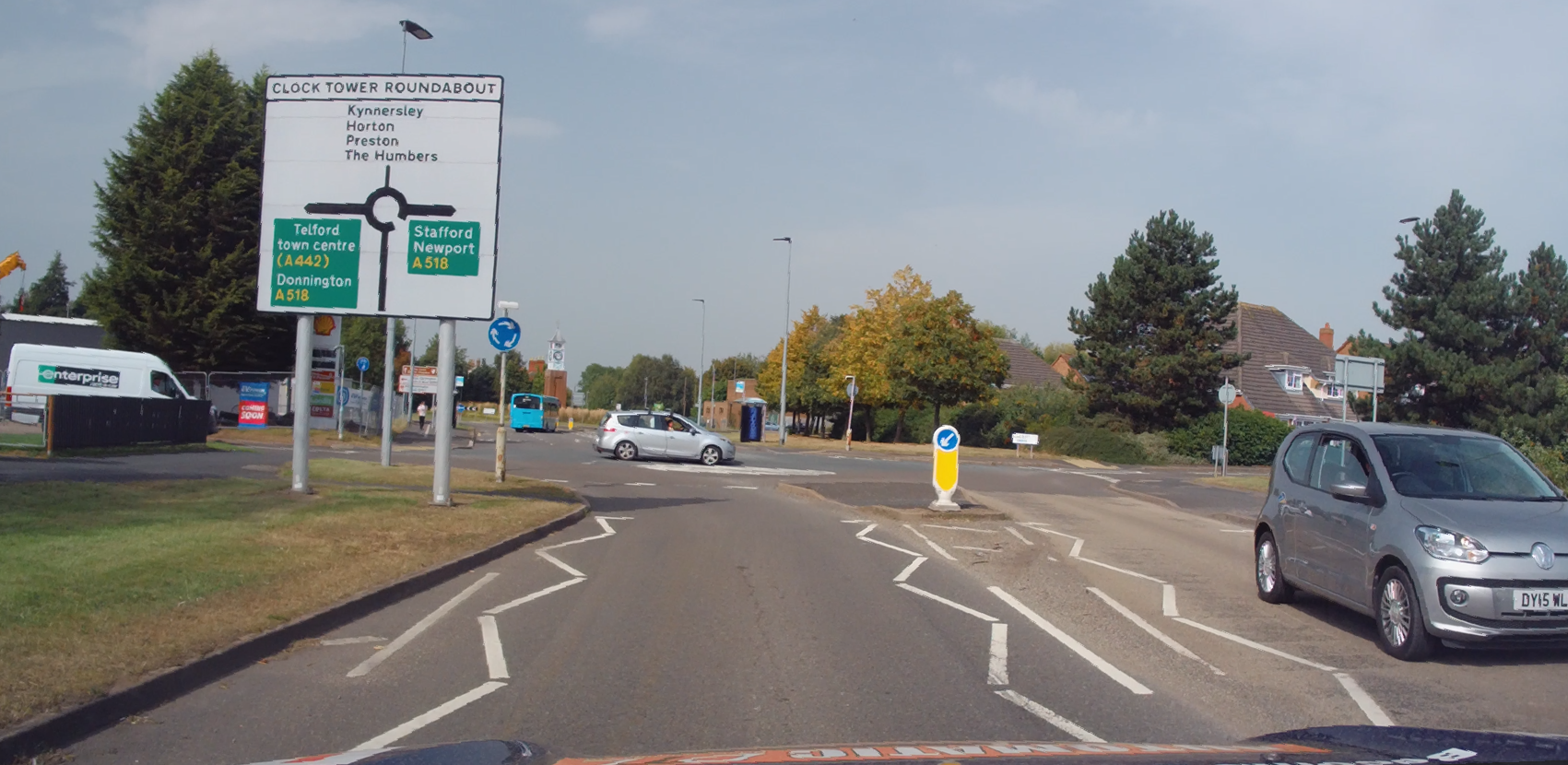
Roundabout Observation Read the Road Ahead
Read the Road Early
Roundabouts aren’t difficult.
They only feel that way when they arrive as a surprise.
But if you:
Spot the sign early
Read the direction board
Follow the road markings
Then by the time you reach the roundabout…
You’re already in control of it.
Why Early Identification Matters (Especially for Tests)
Why Early Identification Matters (Especially for Tests)
Spotting a roundabout early gives you time to:
✔ Plan your lane
✔ Adjust your speed smoothly
✔ Start observations early
✔ Avoid rushed decisions
From an examiner’s point of view, this shows:
Good anticipation and planning - And that’s what separates:
A hesitant driver
fromA controlled, thinking driver