How to teach Roundabouts
Follow us on Youtube - Books - Online Courses
How to teach Roundabouts
Roundabouts aren’t one skill—they’re a combination of several.
This is where many trainees struggle. They try to teach everything at once, or worse, they don’t decide what they’re actually teaching.
Here’s the truth: You don’t teach “roundabouts.”
You teach specific skills within a roundabout
there are many different aspects to dealing with a roundabout including Thinking of the roundabout like a clockface to identify lane position, Identifying the roundabout early Recognizing open vs closed junction, Accurate observations, speed on approach, choice of lanes before the roundabout, staying in lane on roundabout, Safe gap selection, blockers, when to signal off. You need to decide and clarify what you are going to teach
How to teach roundabouts - Which part?
1. Decide the Lesson Focus First (This Changes Everything)
Before the car even moves, ask yourself:
“What exactly am I teaching today?”
Gap judgement
Lane positioning
Observations
Approach speed
If you don’t decide, the lesson becomes reactive.
Examiners are looking for:
Clear goals → clear needs → clear outcomes
How to teach roundabouts - Identify
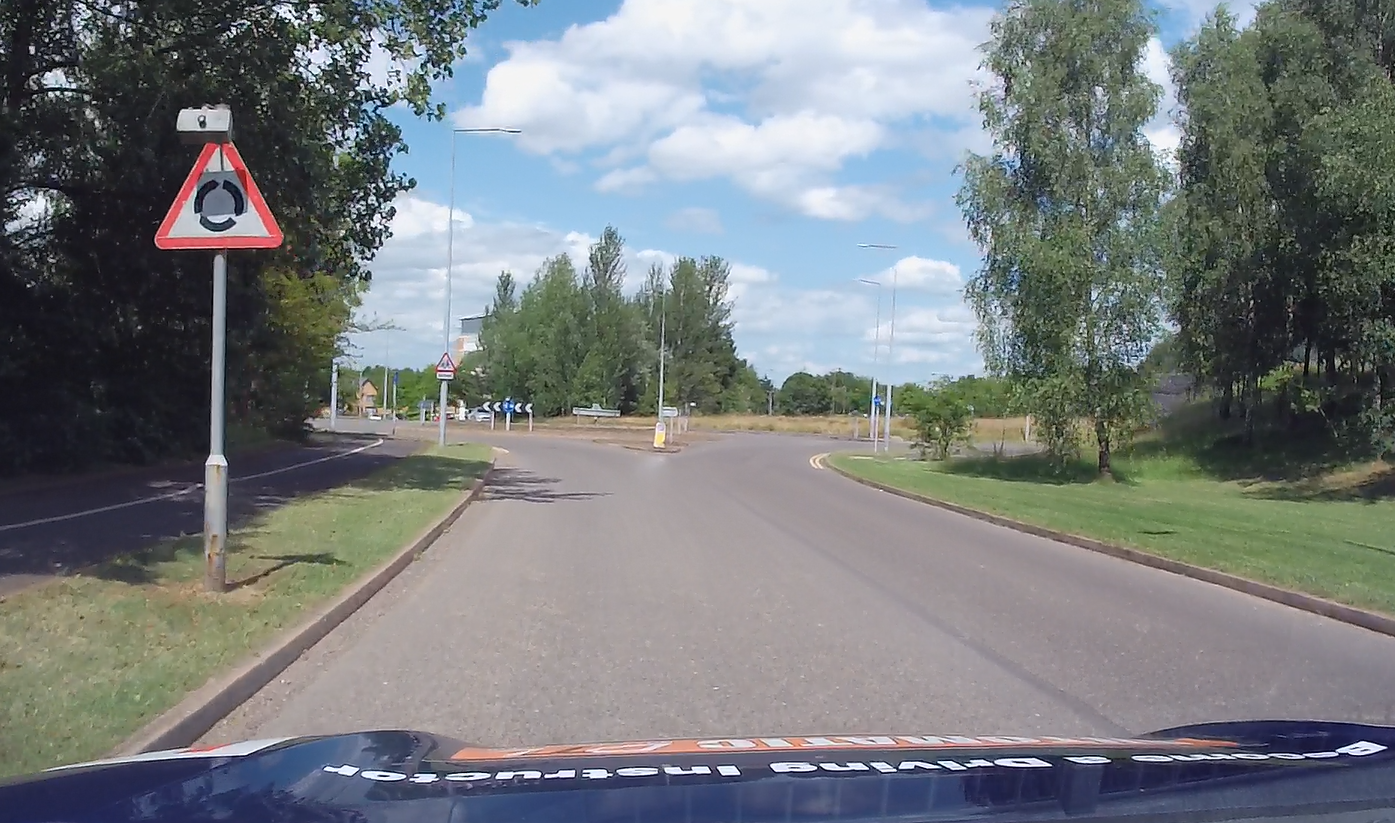
2. Identifying the Roundabout Early
Everything starts here. If the pupil spots it late:
They rush
They panic
They make poor decisions
Teach them to look for:
Warning signs
Road markings
Changes in traffic flow
Coaching:
“What tells you there’s a roundabout ahead?”
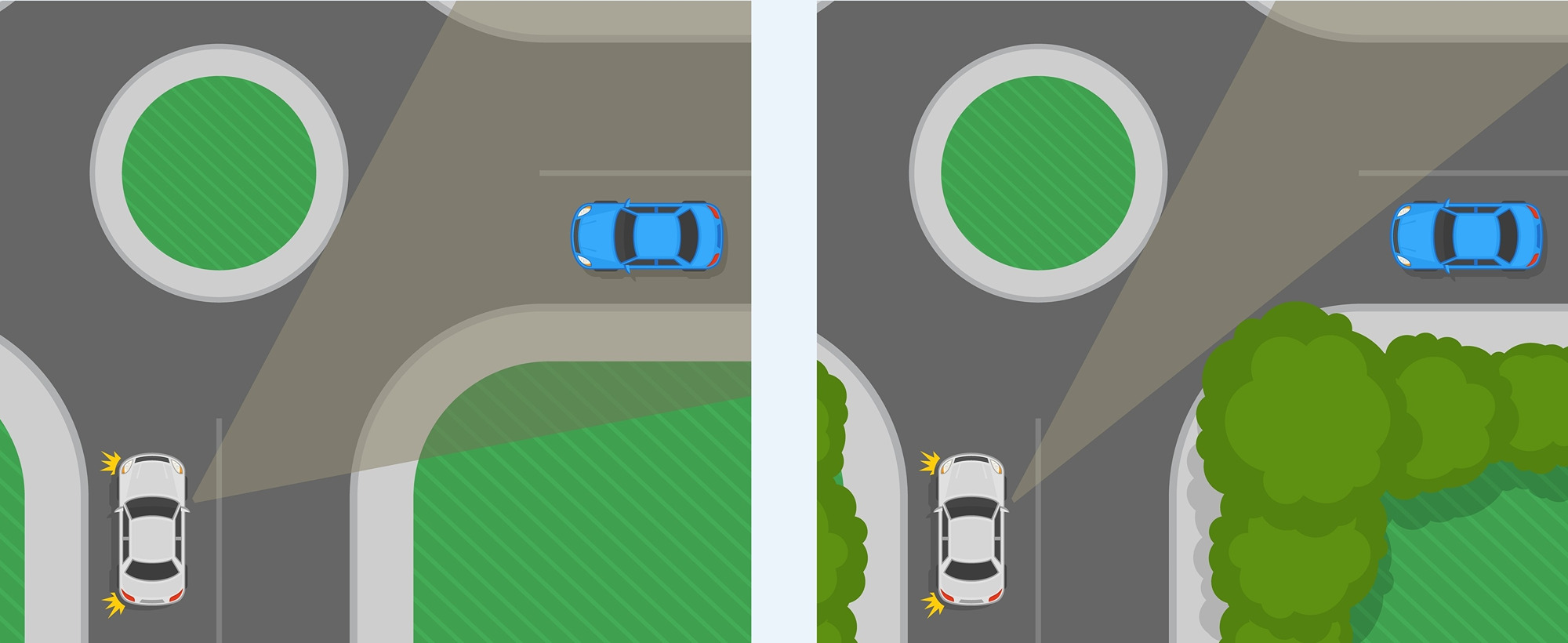
How to teach roundabouts - Open or closed junction
3. Recognising Open vs Closed Junctions
This directly controls risk.
Open → clear visibility, early planning
Closed → restricted view, delayed decisions
This affects:
Speed
Observations
Confidence
Ask:
“What can you actually see from here?”
How to teach roundabouts - Speed on Approach
4. Speed on Approach (The Hidden Problem)
Most faults start here. Have they identified it? Is it open or closed? Do we need to be giving way? Is it empty and clear?
Too fast:
No time to think
Forced decisions
Too slow:
Hesitation
Confusion
Key teaching point:
“Can you stop safely at the give way line?”
If not, the speed is wrong.
How to teach roundabouts - Clock face Method
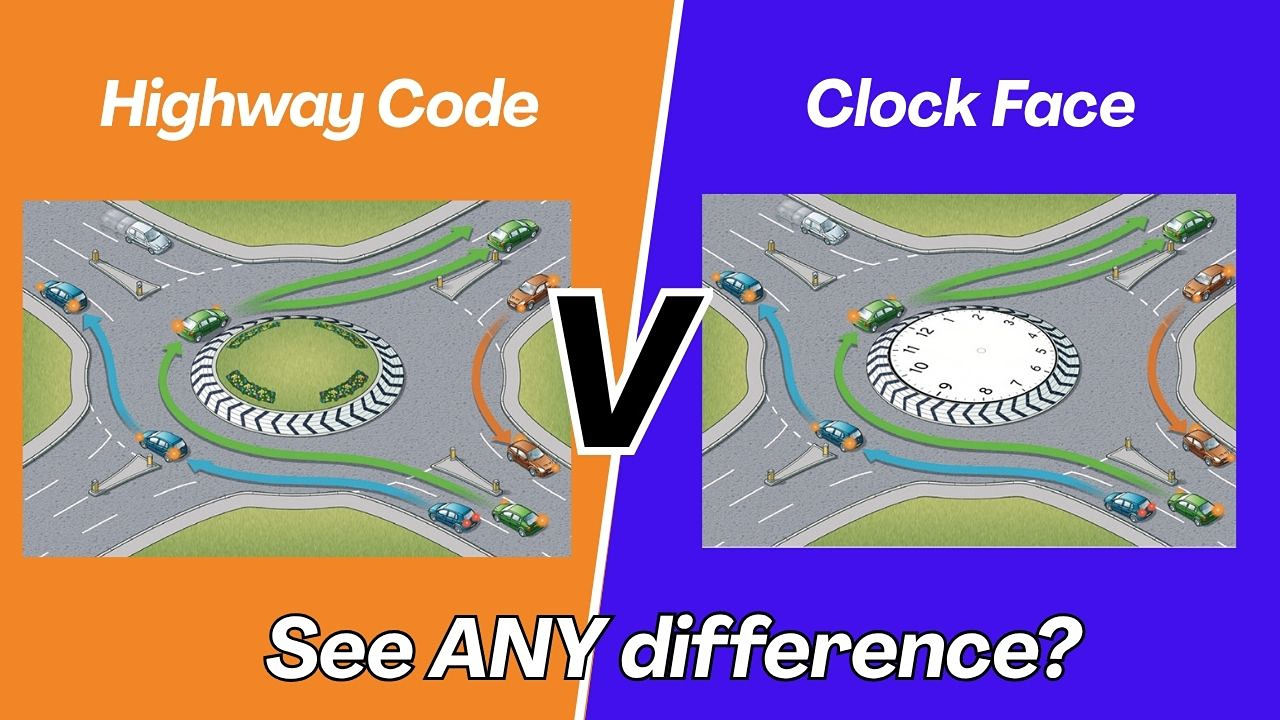
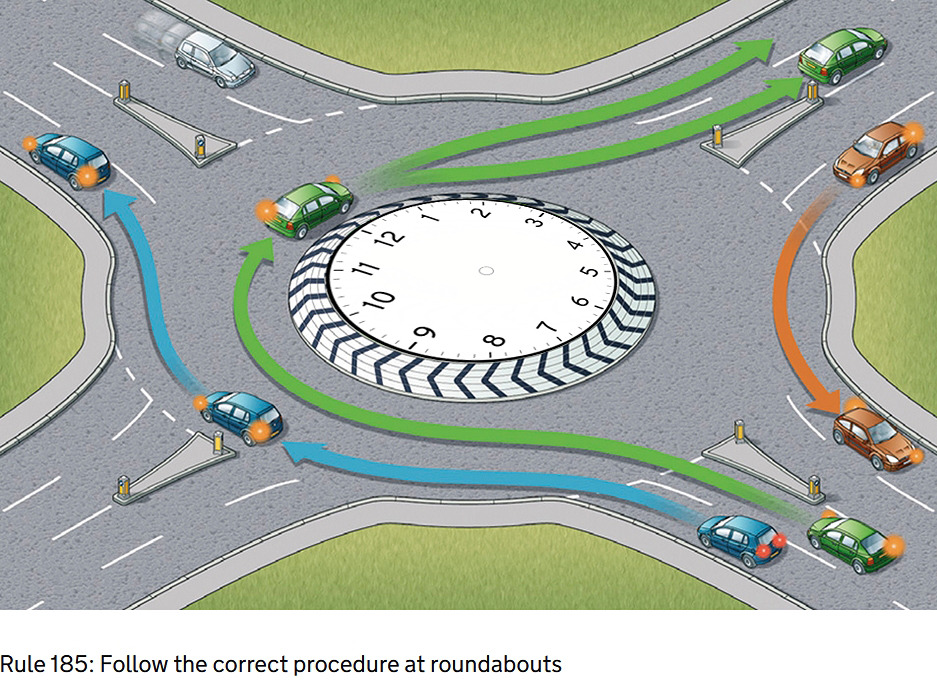
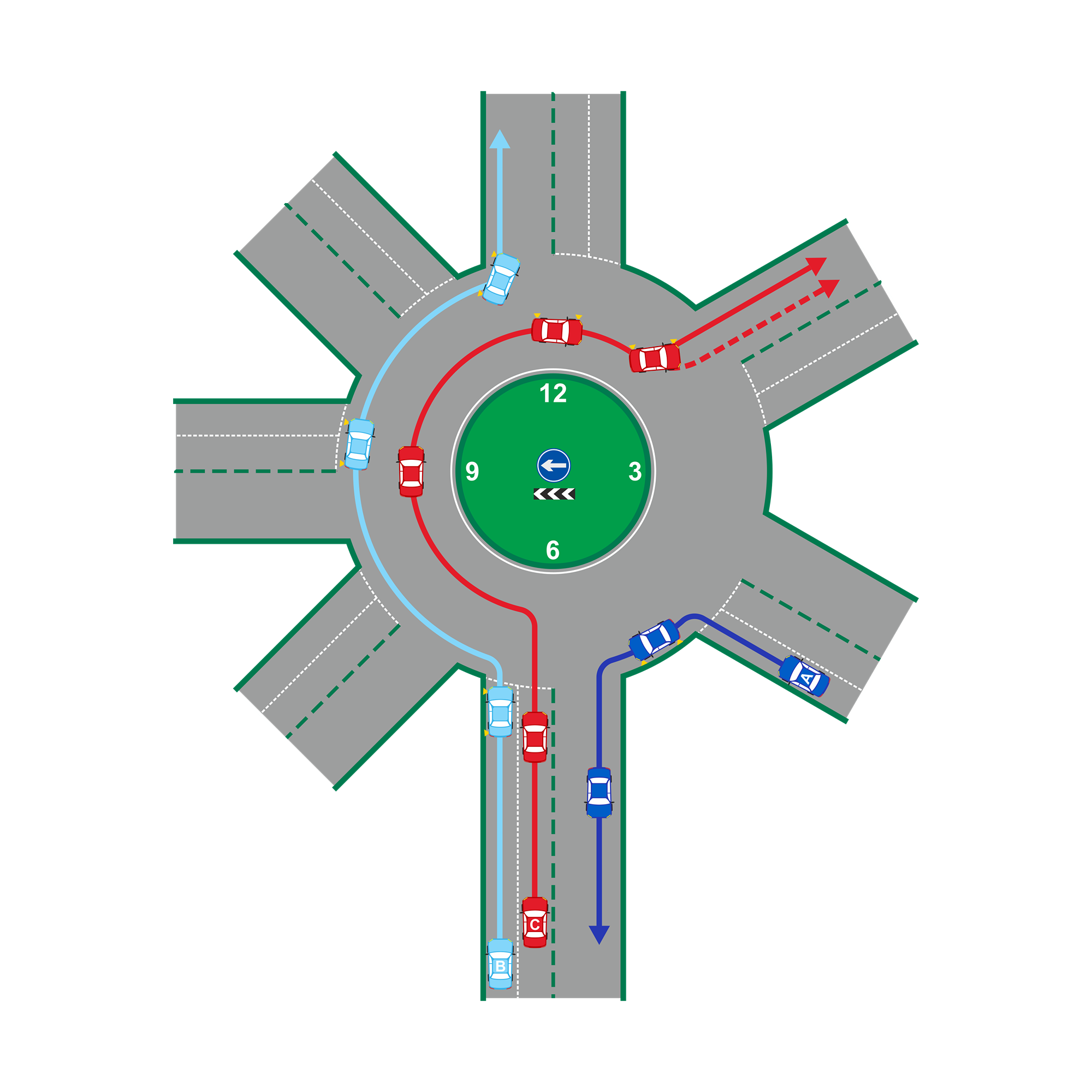
5. Thinking of the Roundabout Like a Clock face
This is a brilliant starting tool.
We approach form the 6 position
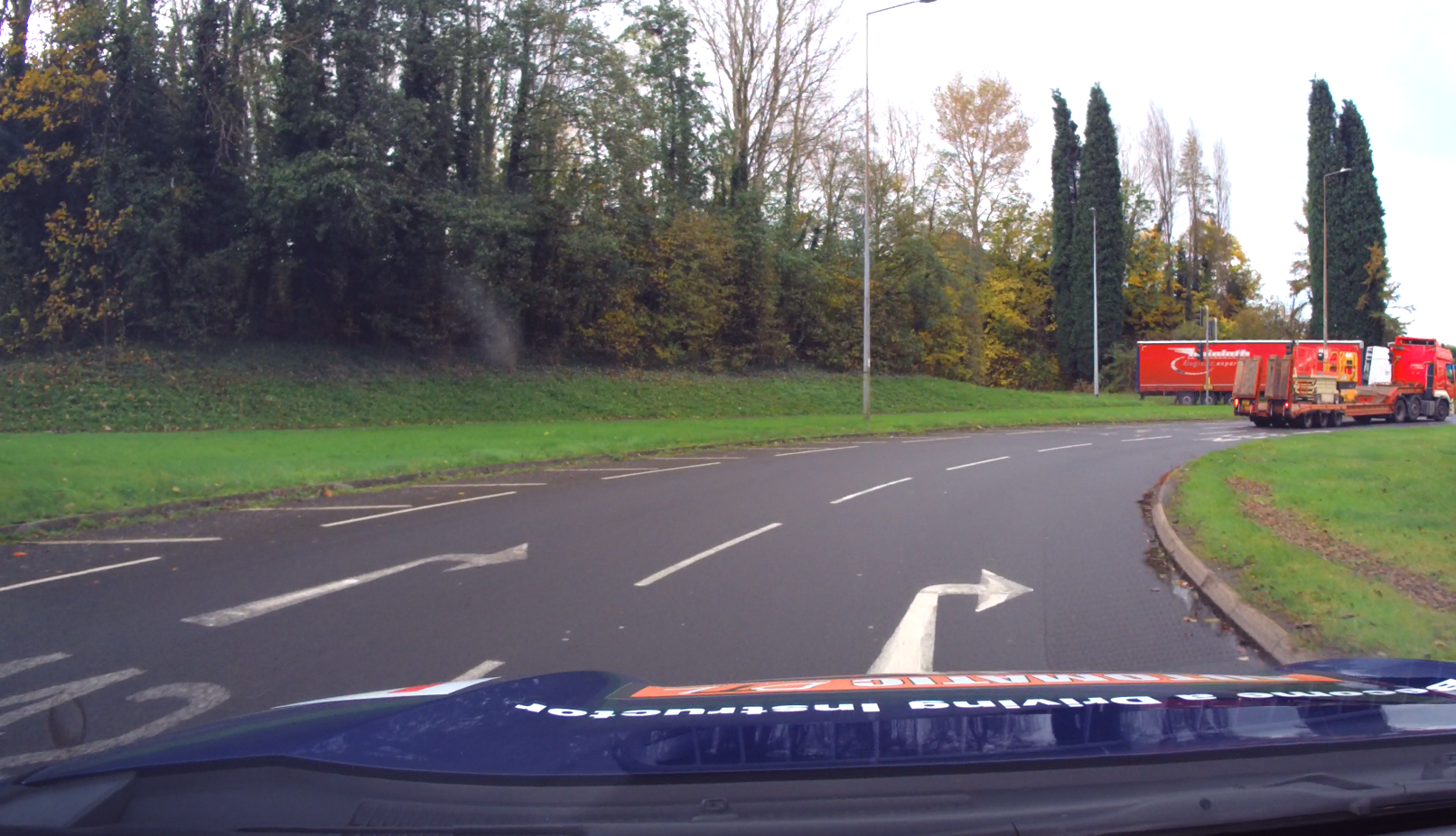
If the exit we want is 12 or before then left lane
If the exit we want is AFTER 12 then right lane
UNLESS the road markings and signs say different
But make it clear:
It’s a guide, not a rule.
Always follow:
Road markings first
How to teach roundabouts - Choice of Lane
6. Choice of Lanes Before the Roundabout
Lane choice must be made early.
Late decisions lead to:
Swerving
Hesitation
Poor positioning
Teach:
“What lane do you need—and when do you need it?”
Then confirm with:
Road signs and markings
How to teach roundabouts - Staying in Lane
7. Staying in Lane on the Roundabout
This is about control and planning.
Common issues:
Drifting across lanes
Cutting across exits
Following other cars blindly
Teach:
“Hold your lane—don’t chase the road, follow your position”
Consistency matters more than perfection.
How to teach roundabouts - Observations
8. Accurate Observations (The Real Skill)
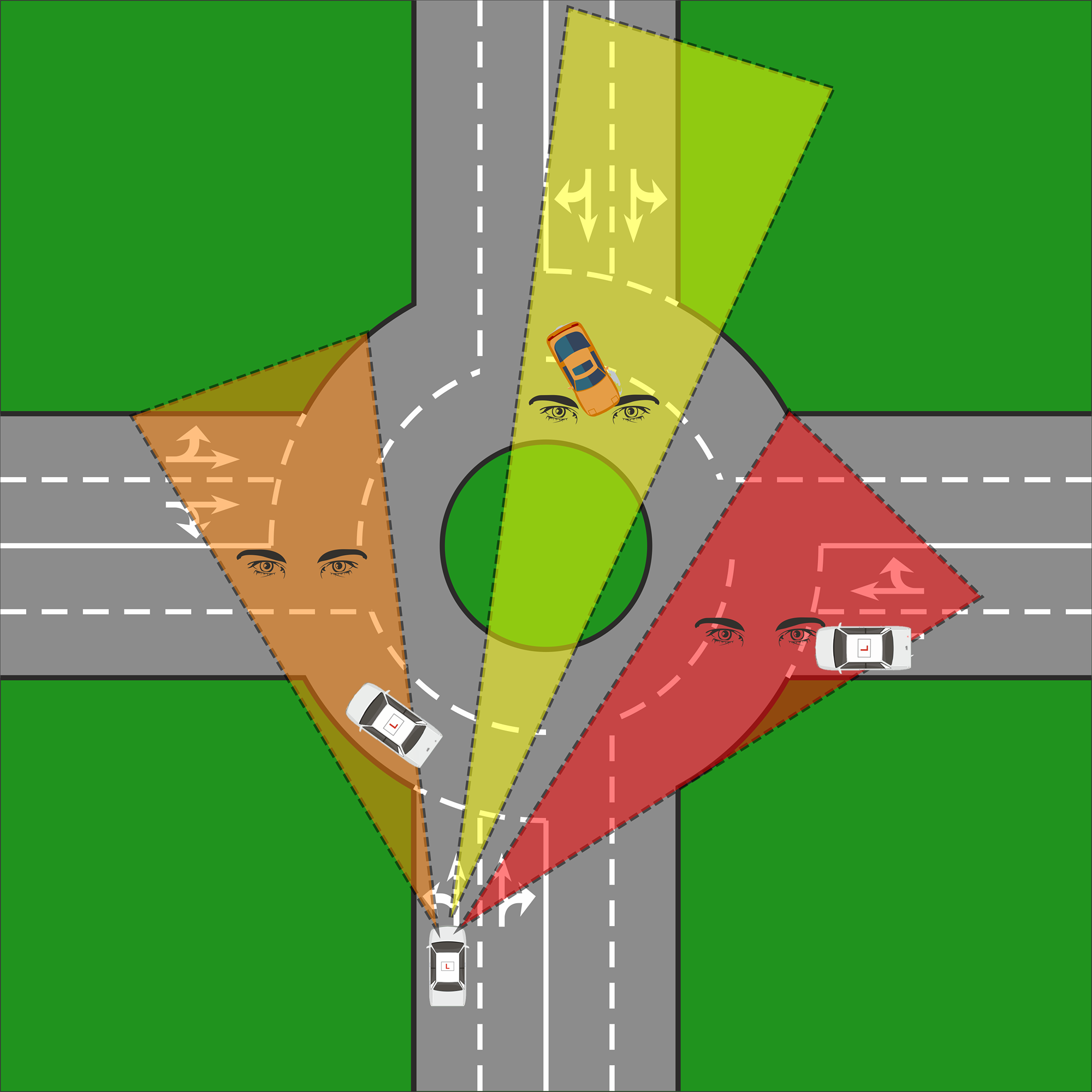
Teach it like a crossroads:
Right → Ahead → Left → Ahead → Right
Why?
Because that’s how you assess risk properly.
Coaching:
“What are you waiting to see before you go?”
How to teach roundabouts - Safe Gaps
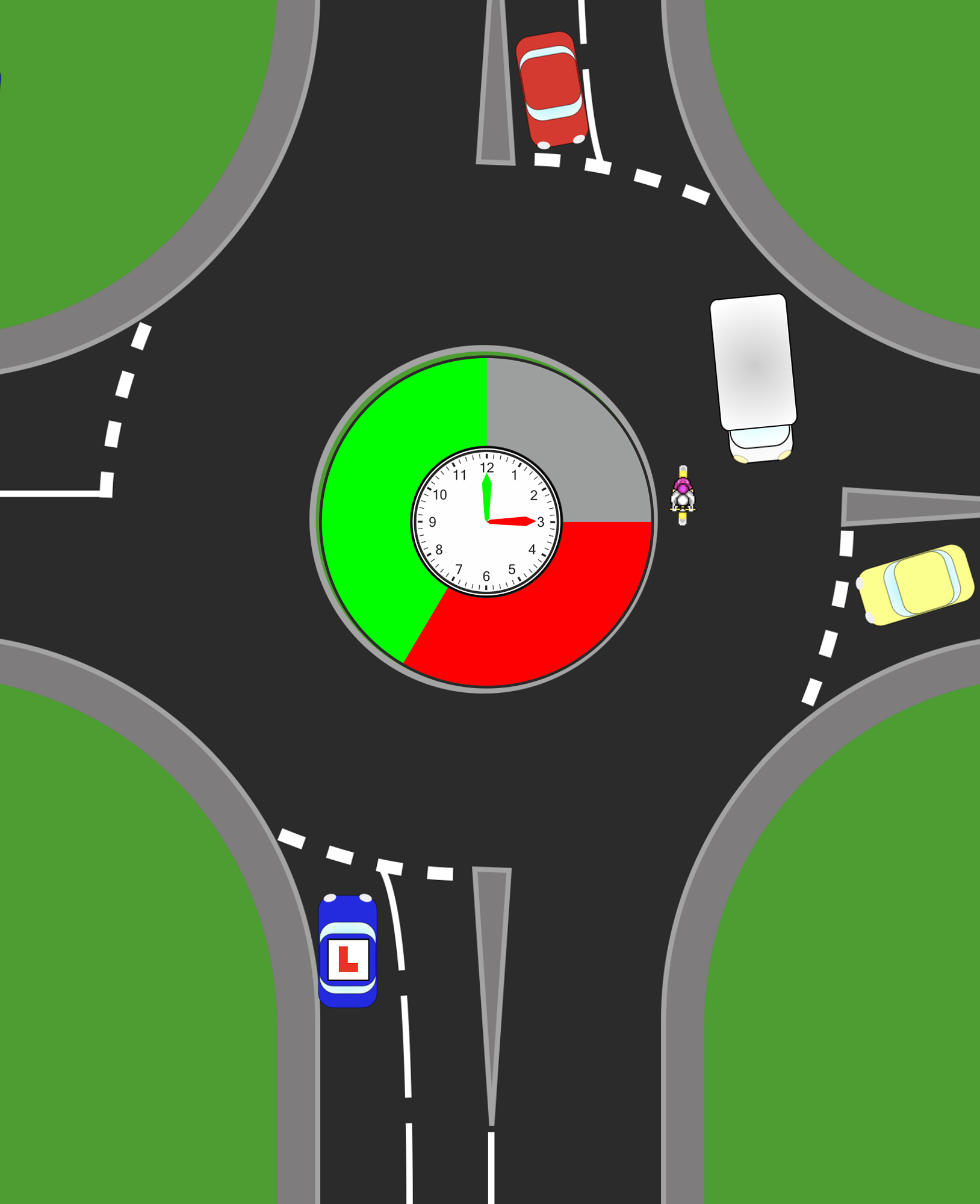
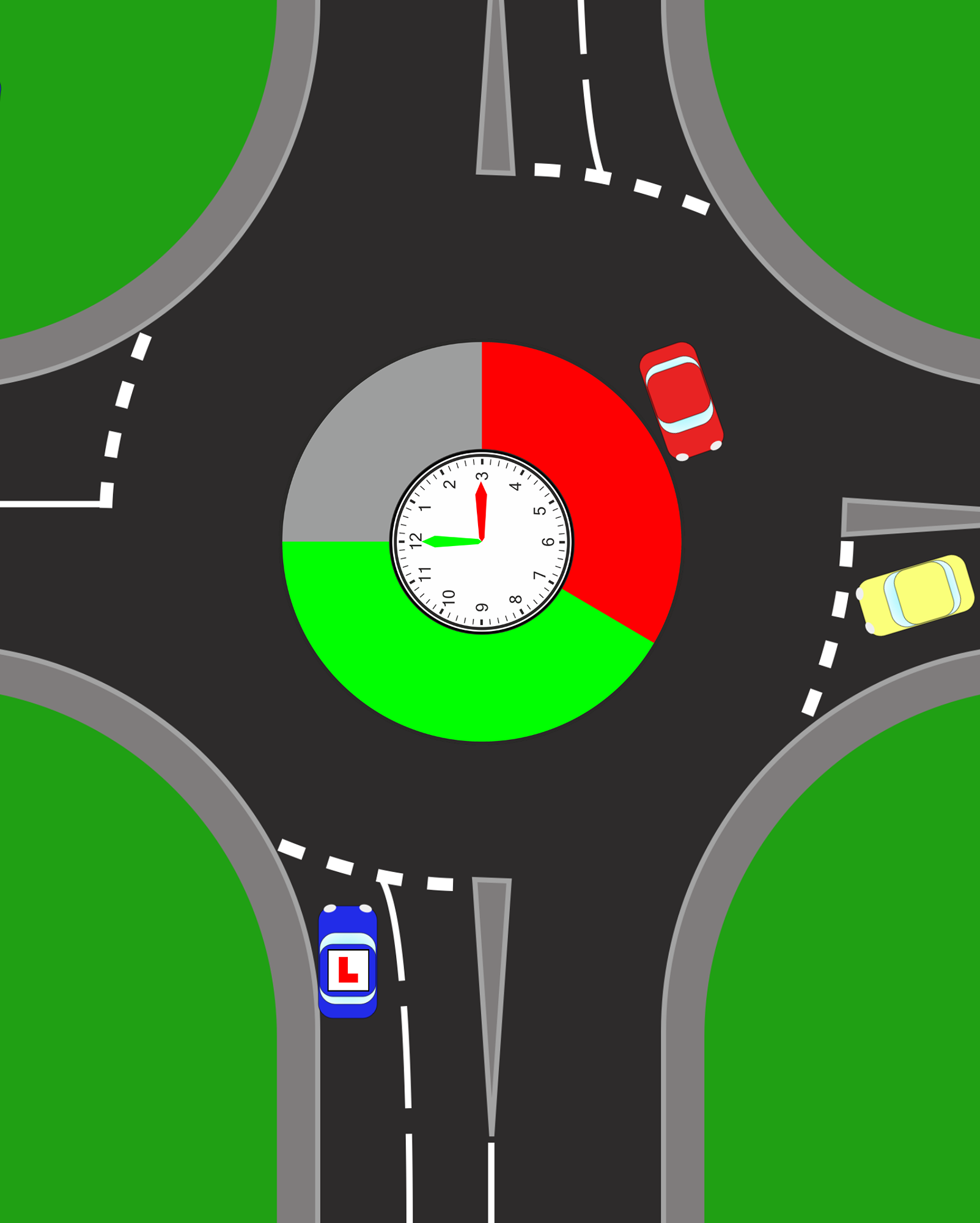
9. Safe Gap Selection (Where Decisions Happen)
This is what most learners struggle with.
Introduce:
The danger zone (3 to 7 o’clock)
Speed of approaching vehicles
Distance and timing
Key question:
“What makes this gap safe?”
How to teach roundabouts - Blockers
10. Blockers (Understanding Real Traffic Flow)
This is where driving becomes real.
A blocker:
Stops traffic from your right entering
This can create a safe gap—but not always.
Teach:
“What is that car doing to the traffic behind it?”
Now they’re reading the road—not guessing.
How to teach roundabouts - Signal off
11. When to Signal Off
Simple—but often done wrong.
Signal left:
After passing the exit before yours
Too early:
Misleads others
Too late:
Reduces communication
Teach:
“When does your exit become the next one?”
Teaching Roundabouts using KUSC
If they get something wrong or a struggling with something then go through KUSC to find out what and why.
If a pupil struggles with gaps on roundabouts as an example. Is it
Knowledge - They don't know what a big enough gap is? Understanding - They don't know when to start looking or how to use blockers
Skill - The are not good with clutch control
Confidence - They don't want to pull out and kangaroo or stall the car
When you understand the issue you can go and work on it
Roundabouts with Traffic Lights
Roundabouts with Traffic Lights
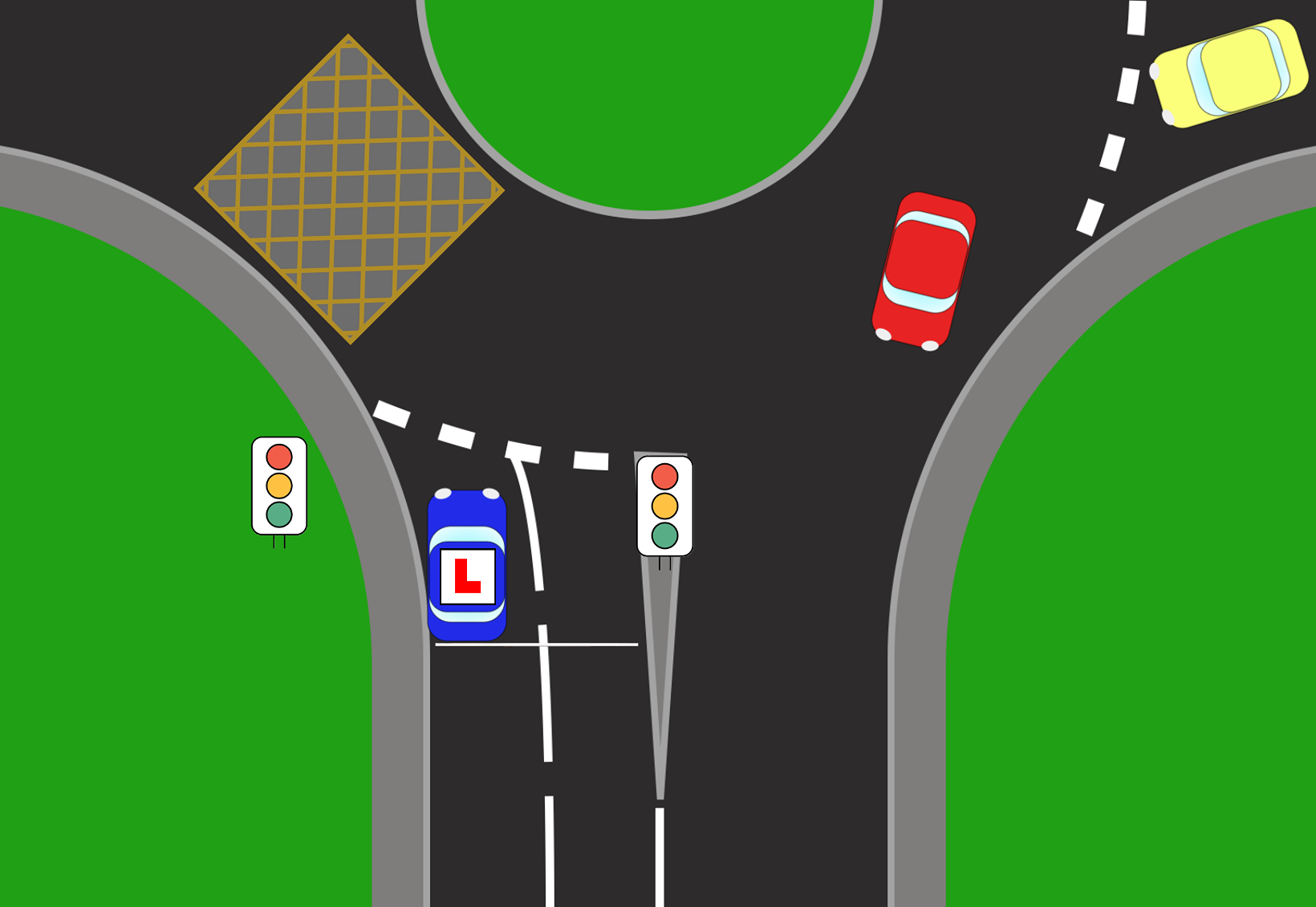
Traffic lights at roundabouts change priority completely, and this must be made clear early. Instead of giving way to the right, the traffic lights now control movement.
Pupils must learn to treat it like a normal set of traffic lights first, and a roundabout second. However, once on the roundabout, they must still remain aware of lane discipline and other vehicles.
A common mistake is switching off observation because the light is green. Teaching should reinforce: green means go only if it is safe, and awareness of other road users is still essential. Linking this to prior knowledge of controlled junctions helps pupils adapt quickly.
Roundabouts with Crossings Before or After
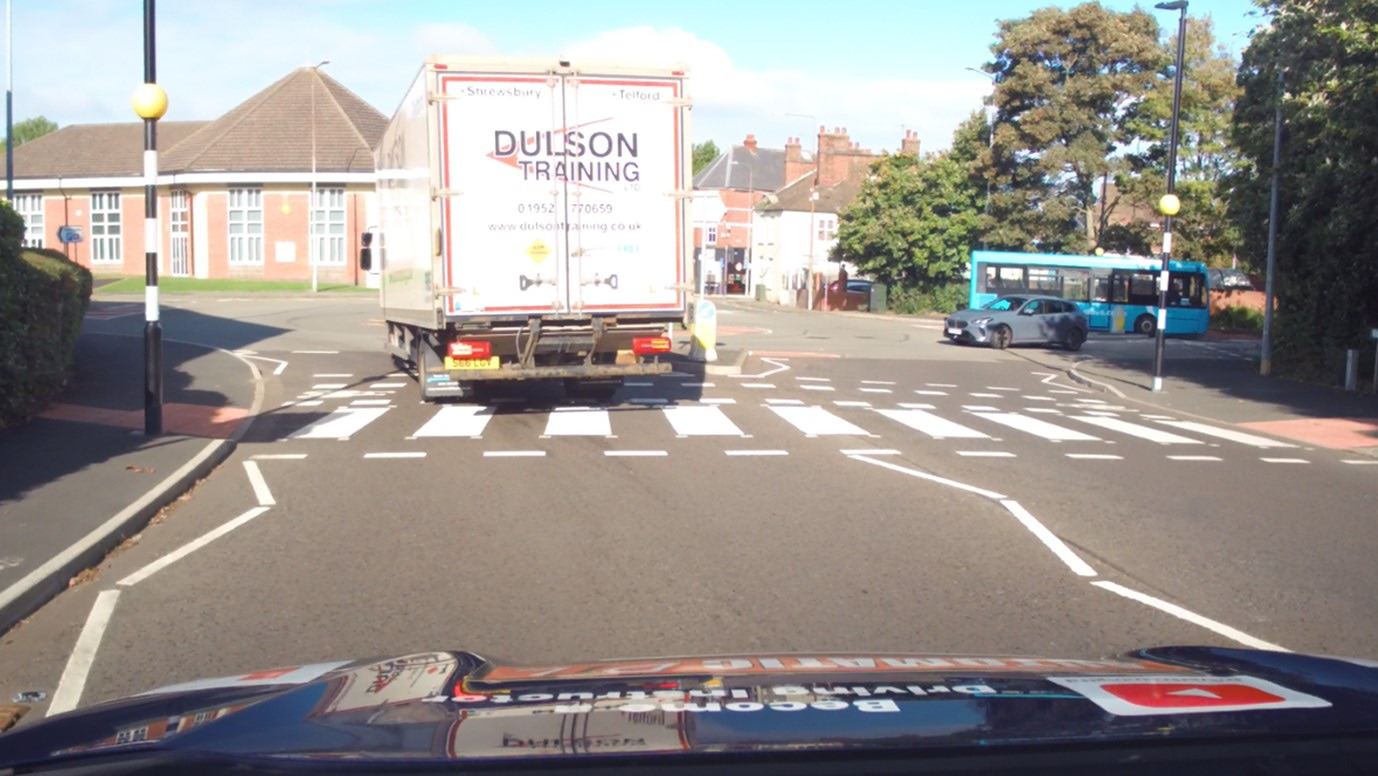
Roundabouts with pedestrian crossings—whether before or just after the junction—add an extra layer of decision-making that must be taught clearly.
On approach, pupils need to assess whether they can clear the crossing safely before stopping at the roundabout, or whether they may end up blocking it.
This is a key risk management point. After the roundabout, crossings can catch pupils out as their focus is often on exiting and accelerating, not scanning ahead.
Teaching should emphasise early observation, speed control, and planning: “Can we clear the crossing?” and “What’s waiting just after we exit?”
This develops forward planning and prevents common faults like stopping on crossings or missing pedestrians.
Roundabouts with Part Time Signals
Roundabouts with Part-Time Signals
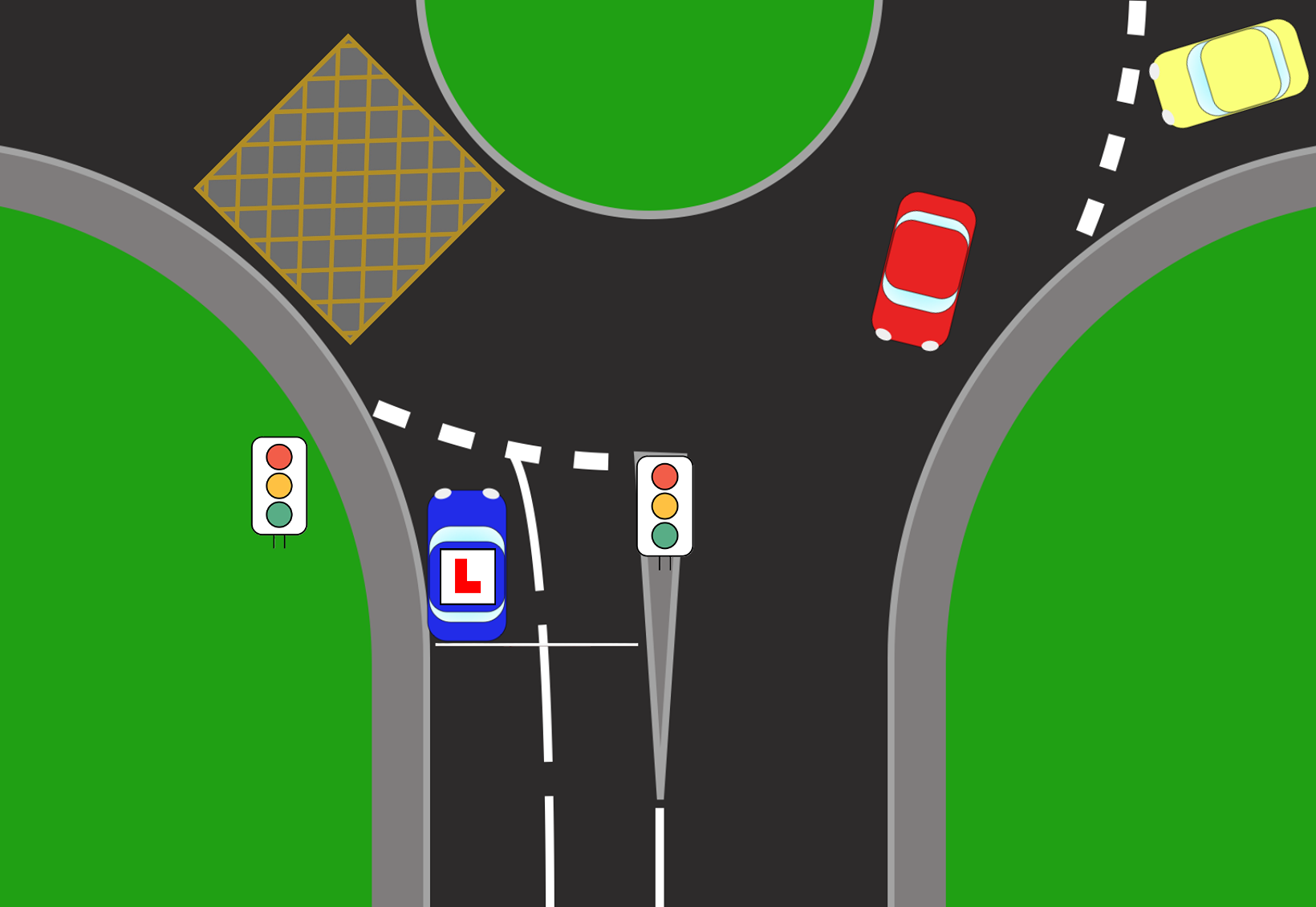
Part-time signals are one of the most misunderstood roundabout types.
When the lights are working, they override the give way rules—so the roundabout behaves like a controlled junction. But when they are off, the roundabout reverts back to normal give way to the right.
This change can confuse pupils, so it must be taught clearly: “What is controlling us right now—the lights or the roundabout?” Pupils should also be made aware of both sets of markings, such as stop lines for signals and give way lines at the roundabout.
This reinforces observation and adaptability, which are key to higher-level driving.
Roundabouts with Signals and Box junctions
Roundabouts with Signals and Box Junctions
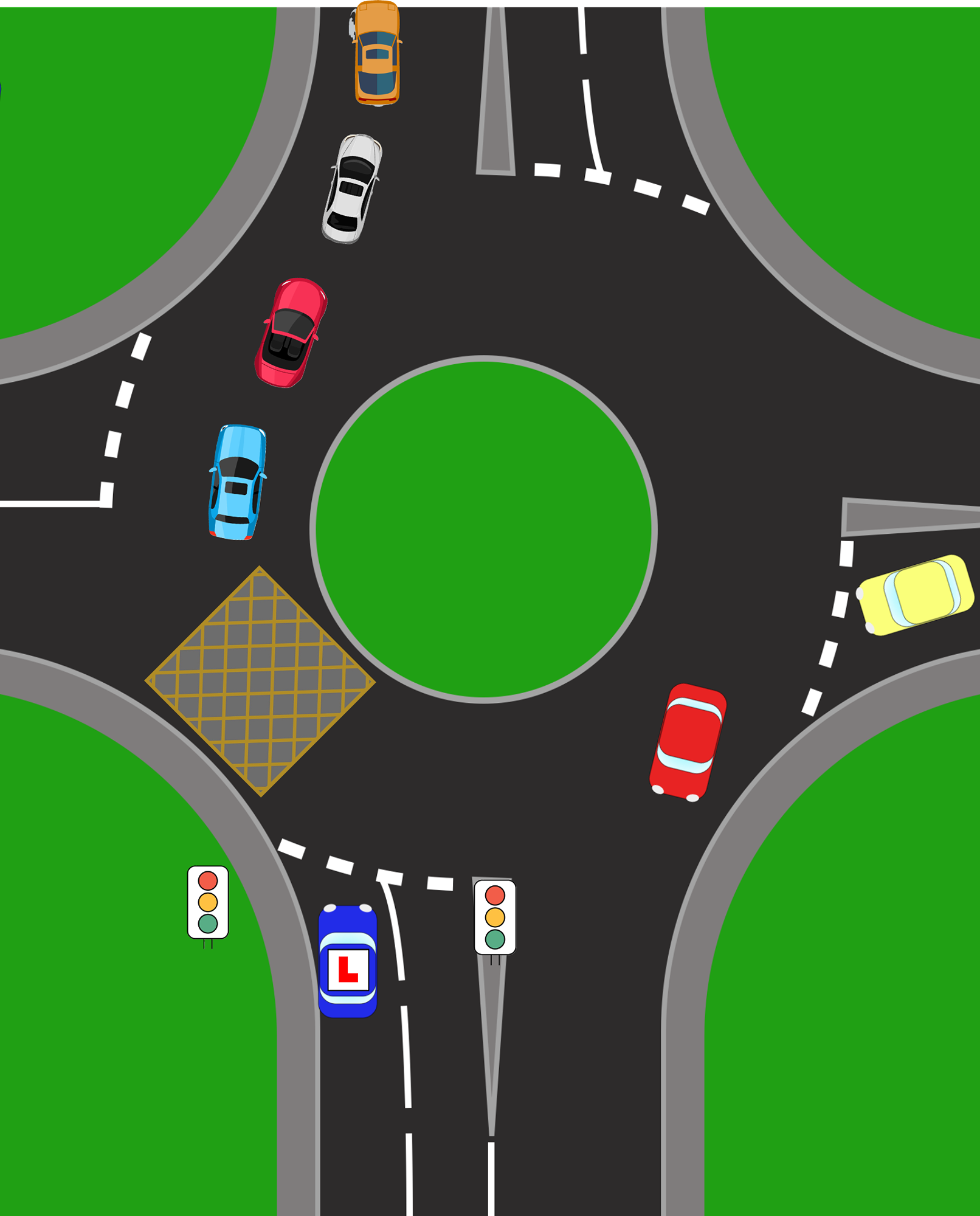
These roundabouts require strong forward planning and discipline. Box junctions are there to keep traffic flowing, and pupils must not enter unless their exit is clear.
This becomes more complex when combined with traffic lights, as pupils may get a green signal but still be unable to proceed due to blocked exits.
Teaching should focus on reading the whole picture ahead, not just reacting to the lights.
A useful coaching question is: “If we go now, where will we stop?” This helps prevent the common fault of stopping in the box junction and demonstrates clear understanding of traffic flow and responsibility.
Roundabouts - Give way to left and not right
Although rare, there are some roundabouts where road markings and signs instruct drivers to give way to the left instead of the right.
This completely breaks the standard expectation, which is why it must be highlighted clearly in training.
The key teaching point is simple: always follow the signs and road markings, not assumptions.
Pupils should be trained to actively look for priority indicators rather than relying on habit.
This is a strong example of why driving is about reading the road, not memorizing rules. It also reinforces the wider principle that there are always exceptions, and awareness must come before routine.
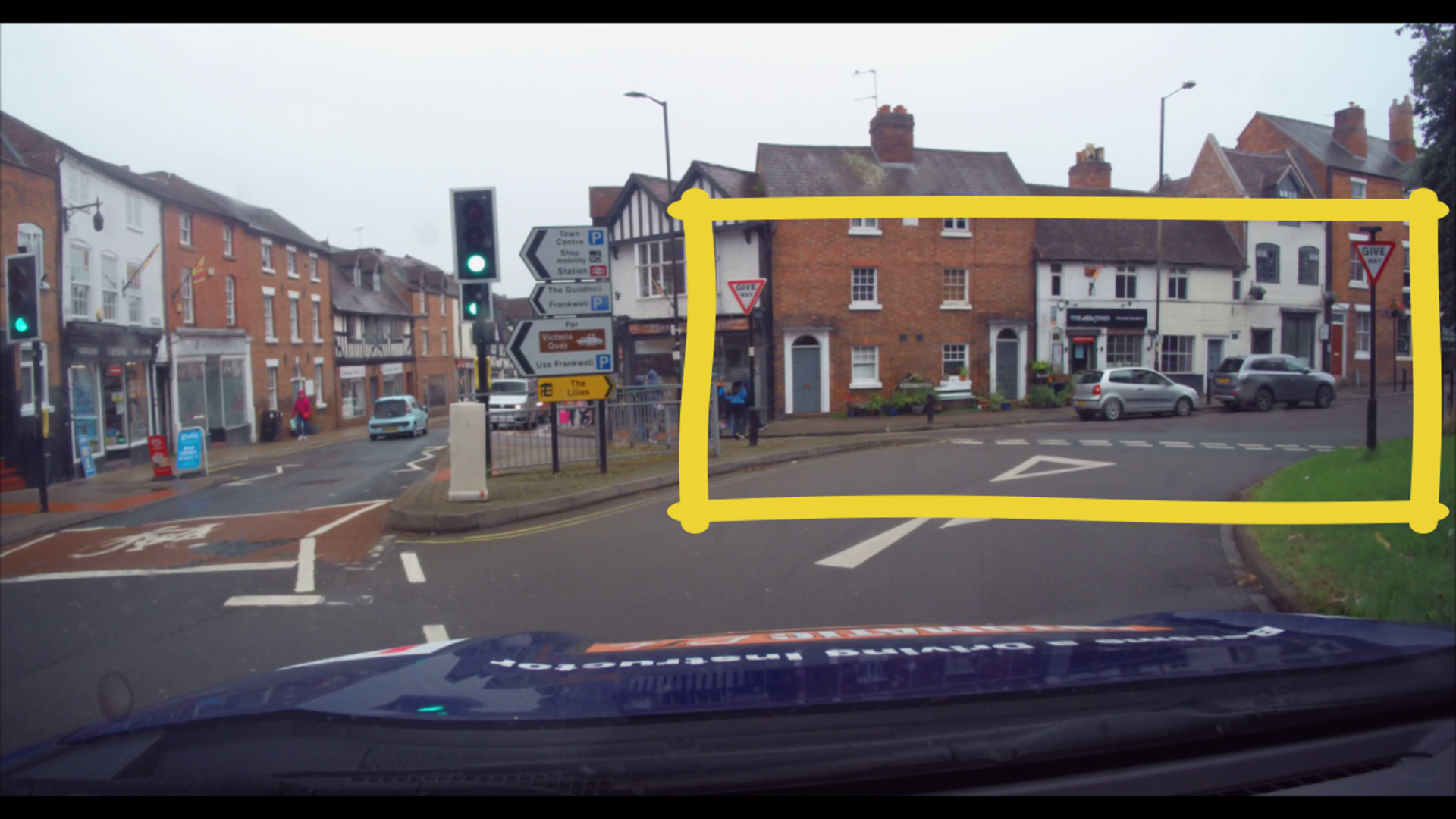
Why you can't just say we are working on Roundabouts
As you can see there are MANY parts to teaching roundabouts, its no wonder people get confused and make mistakes. So it is your job to find out what parts they are unsure of and focus on those points to help their confidence and skills grow.