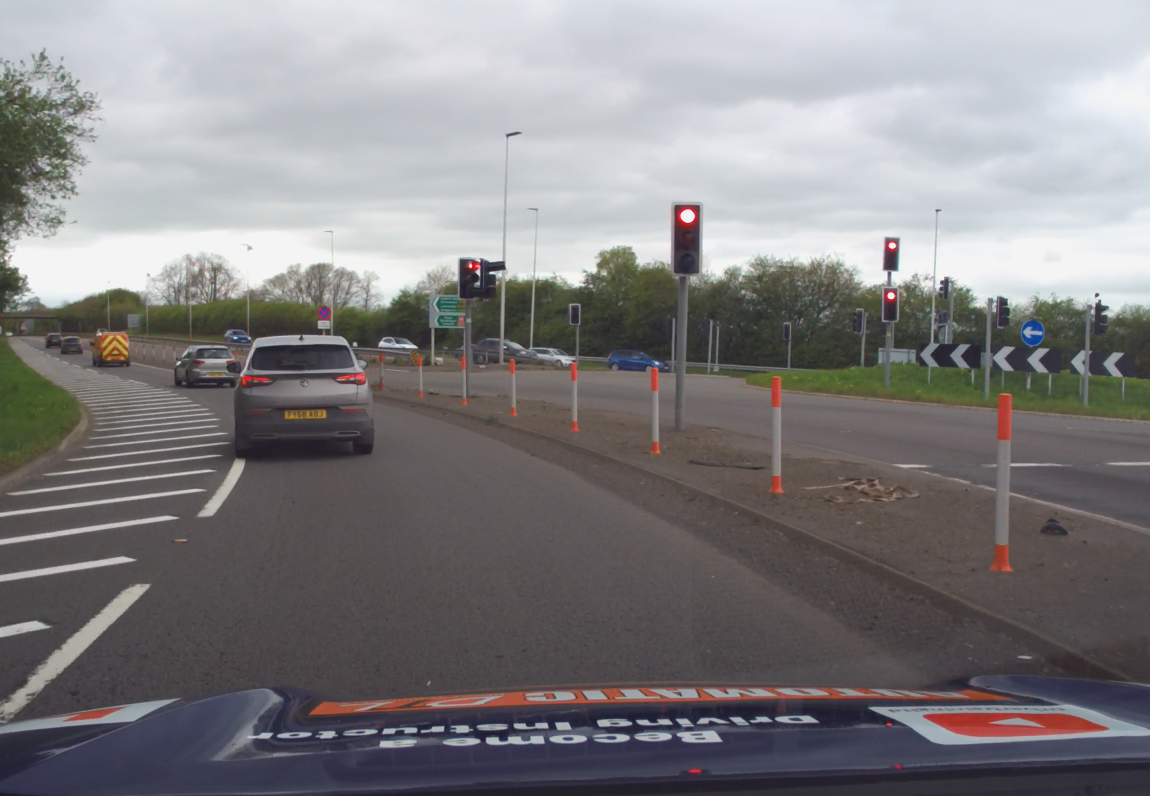
Roundabouts with traffic Lights
Follow us on Youtube - Books - Theory Test - Online Courses - Lessons
Roundabouts with Traffic Lights: Why the Rules Change
Roundabouts with traffic lights - Spend enough time on UK roads and you’ll notice something curious: not all roundabouts play by the same rules.
Add traffic lights into the mix, and suddenly that familiar “give way to the right” instinct isn’t enough on its own.
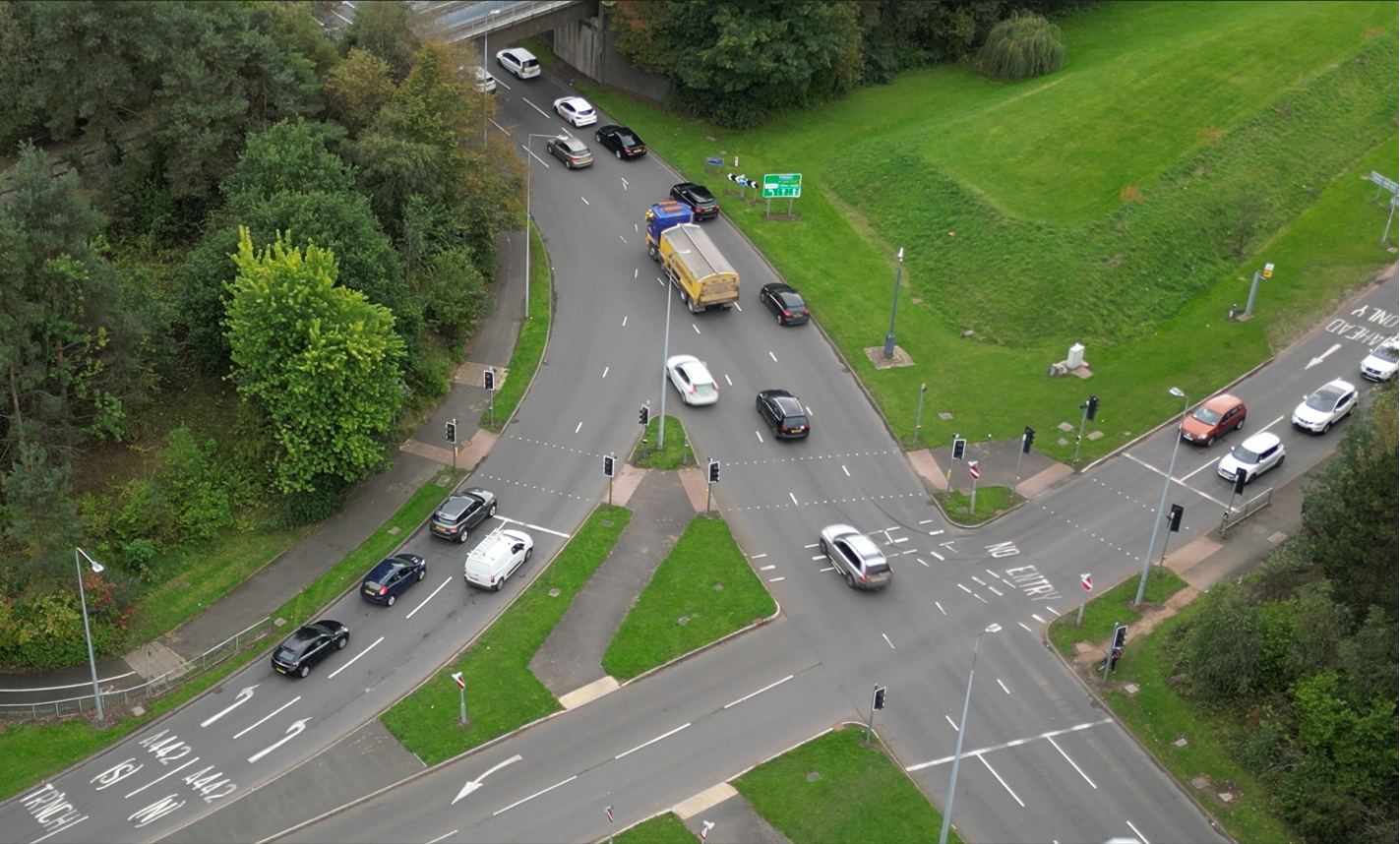
These are controlled environments—part junction, part roundabout—and they demand a slightly different mindset.
Let’s break it down properly.
Roundabout Traffic Lights - A Different Way of Thinking
A Different Way of Thinking
On a standard roundabout, your decision is largely yours: observe, judge the gap, and go when it’s safe.
But once traffic lights are involved, the decision-making shifts.
You’re no longer just reading traffic—you’re reading signals, road markings, and behaviour together.
Think of it like this:
Normal roundabout: You decide when it’s safe
Light-controlled roundabout: The system invites you to go—but you still confirm it’s safe
That distinction matters more than most drivers realise.
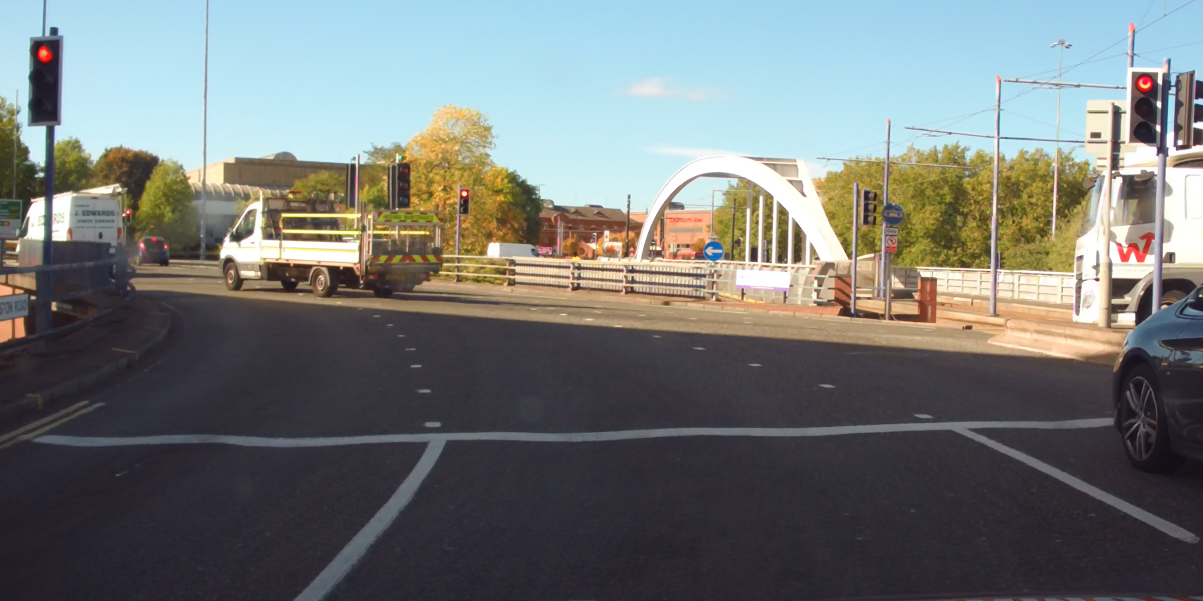
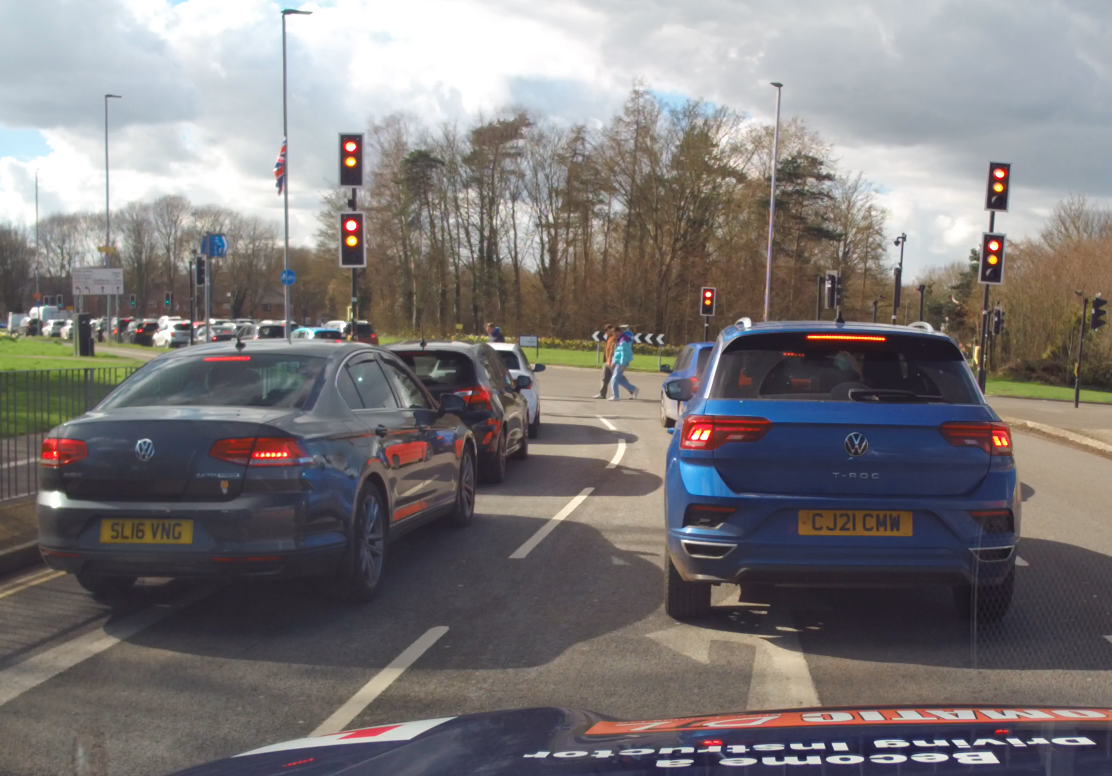
The Crucial Difference: Solid Stop Line vs Broken Give Way Line
This is where many learners—and quite a few experienced drivers—get caught out.
Solid White Line (Stop Line)
Found at traffic lights
You MUST stop if the light is red
Even if the road looks clear
This is non-negotiable. It’s a legal instruction, not a suggestion.
Broken Line (Give Way Line)
Found at the roundabout itself
You give way only if necessary
You can proceed if it’s clear
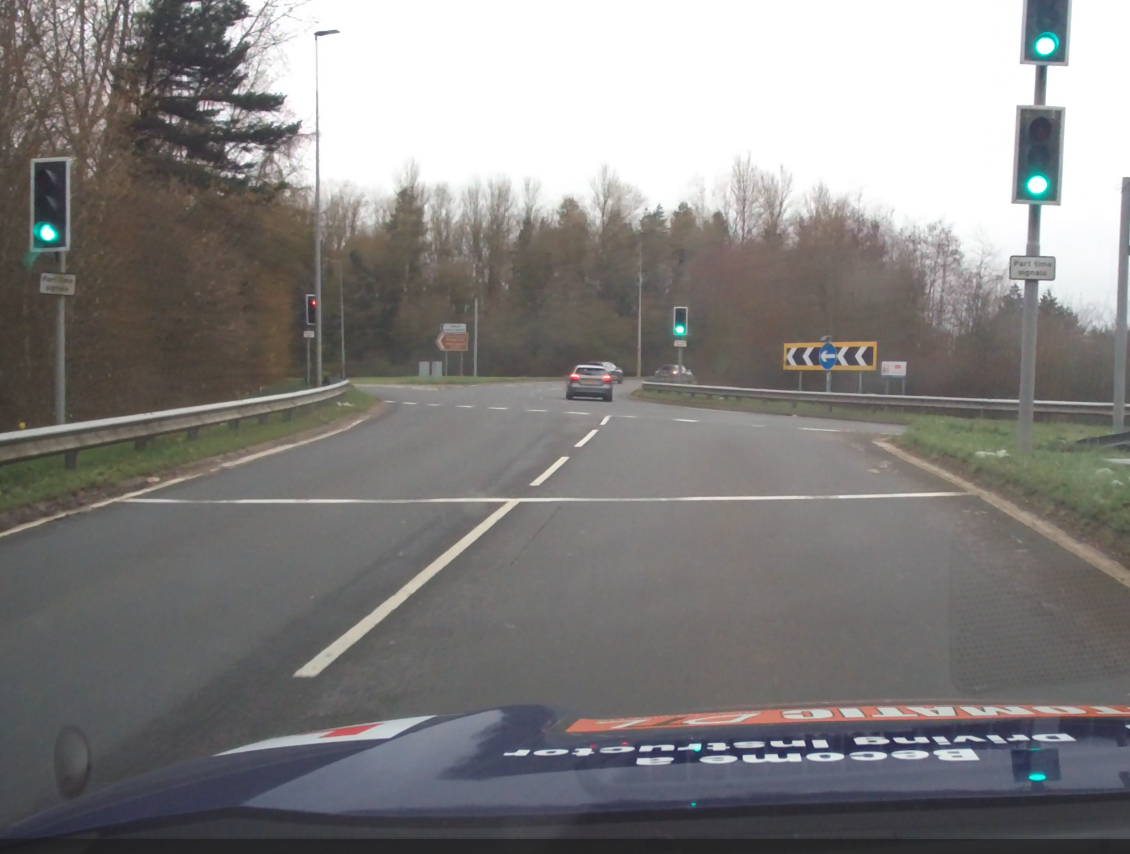
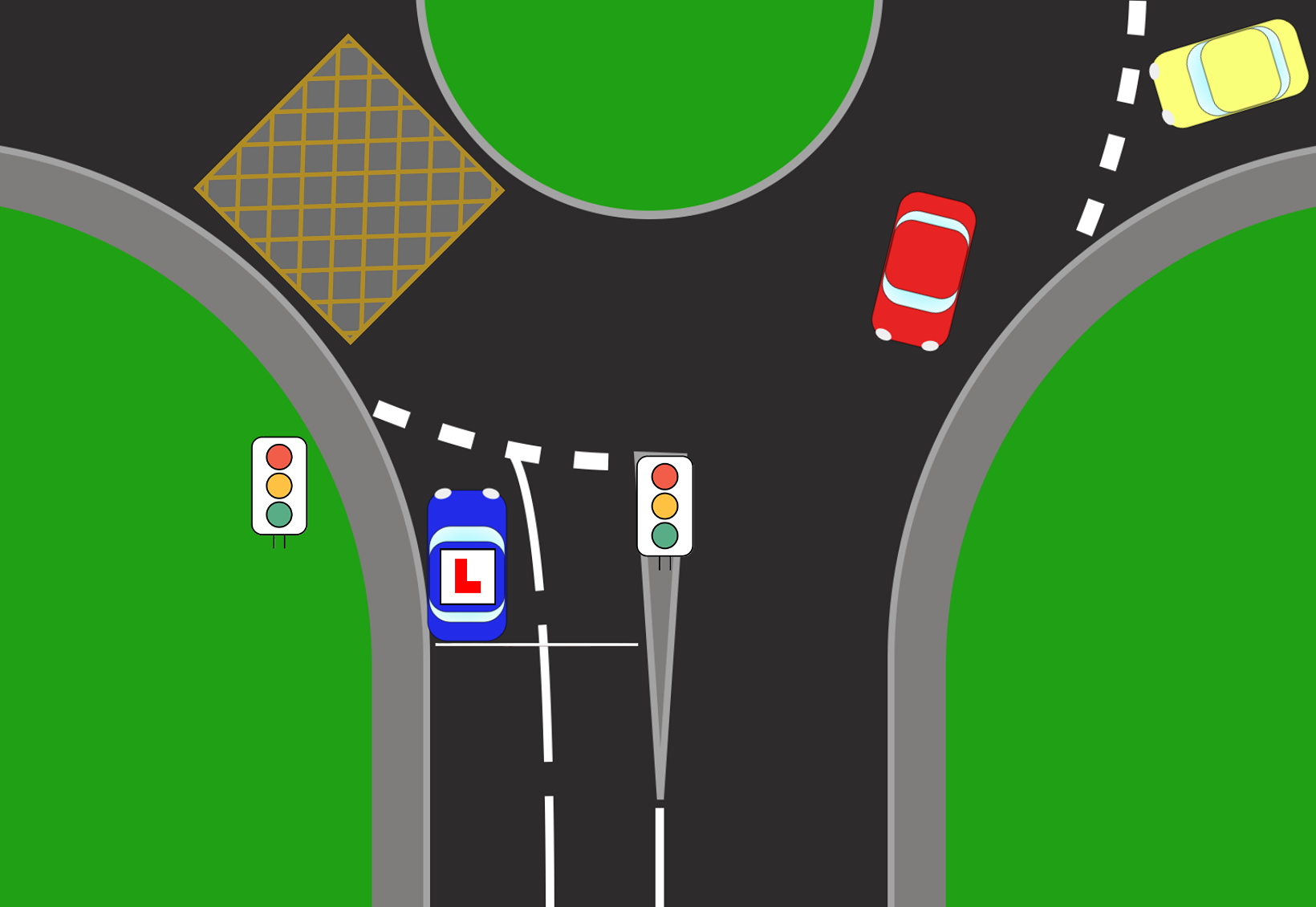
Part Time Traffic Lights
When Both Appear Together
Some roundabouts—especially those with part-time signals—have both:
A solid stop line before the lights
A broken give way line at the junction
Here’s how it works:
Lights ON:
You obey the traffic lights first. The stop line is in control.Lights OFF (or not active):
The roundabout reverts to normal rules. The broken line takes over.
It’s a simple hierarchy—but miss it, and things unravel quickly.
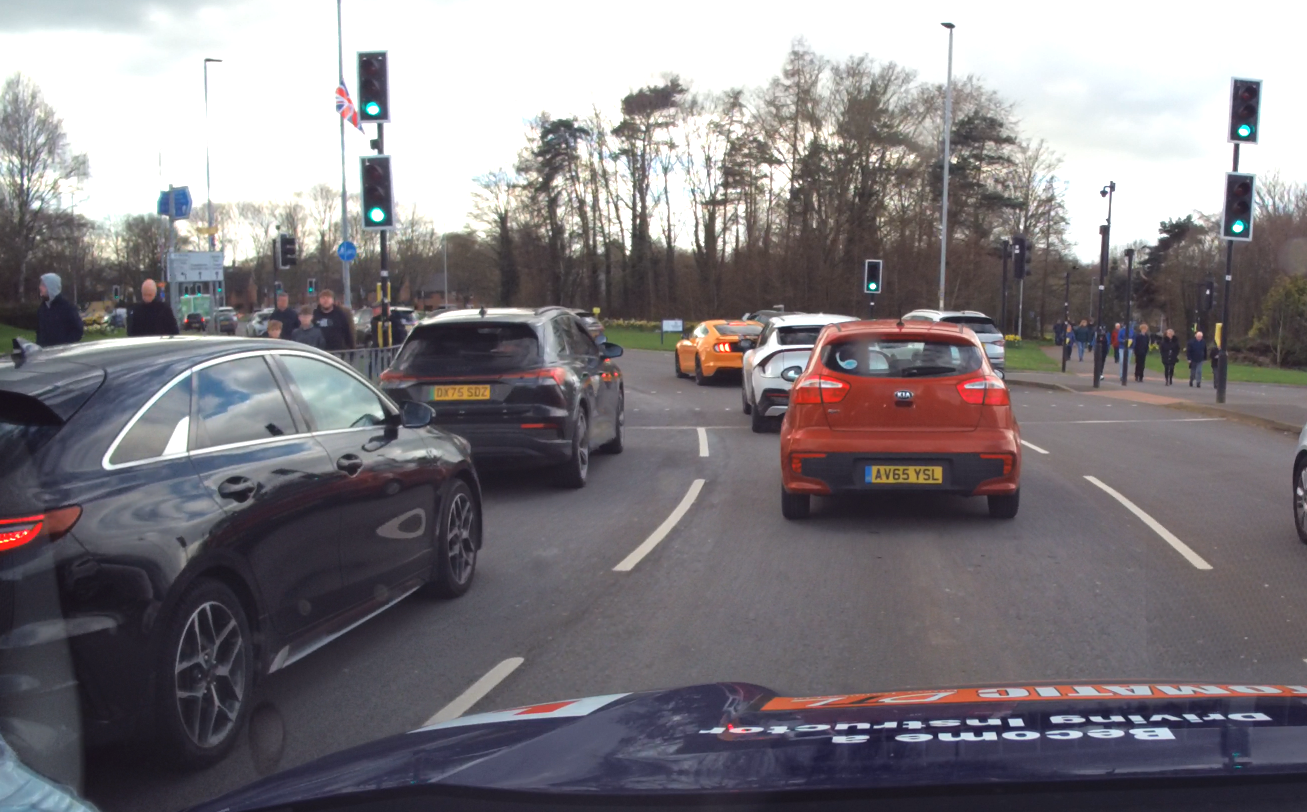
Green Doesn't Always mean go
The Dangerous Assumption: “Green Means Go”
Here’s the trap. You’re sitting at the lights. They turn green. The road ahead opens up. It feels like a green light should mean clear and safe.
But at a roundabout, that’s not always true.
Why? Because:
Drivers run red lights—especially late amber transitions
Vehicles may already be committed to the roundabout
Poor visibility (closed junctions) can hide approaching traffic
Larger vehicles take longer to clear the junction
So even with a green light, you still need that final check:
“Is it actually safe—not just permitted?”
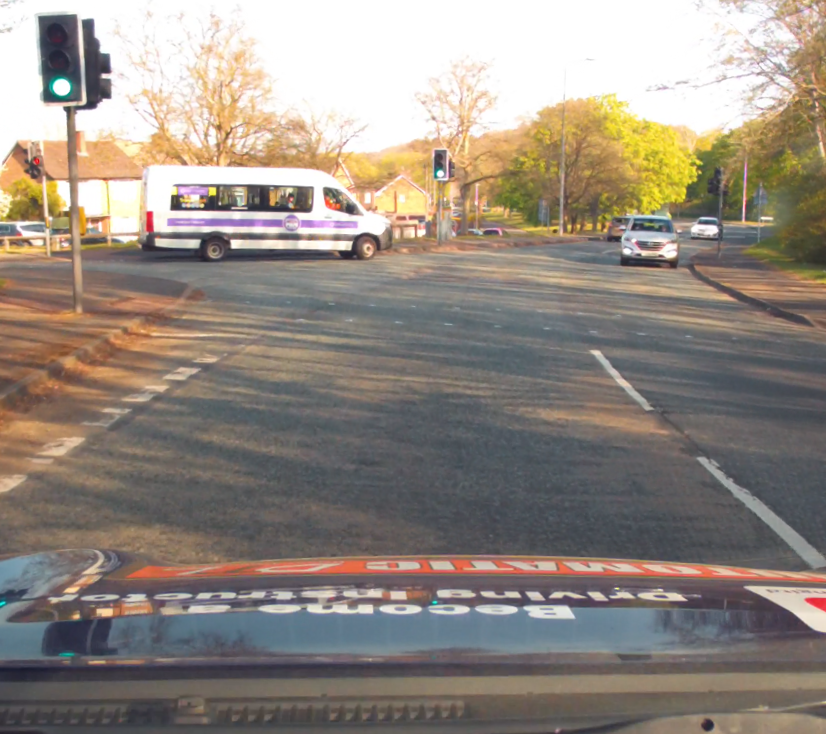
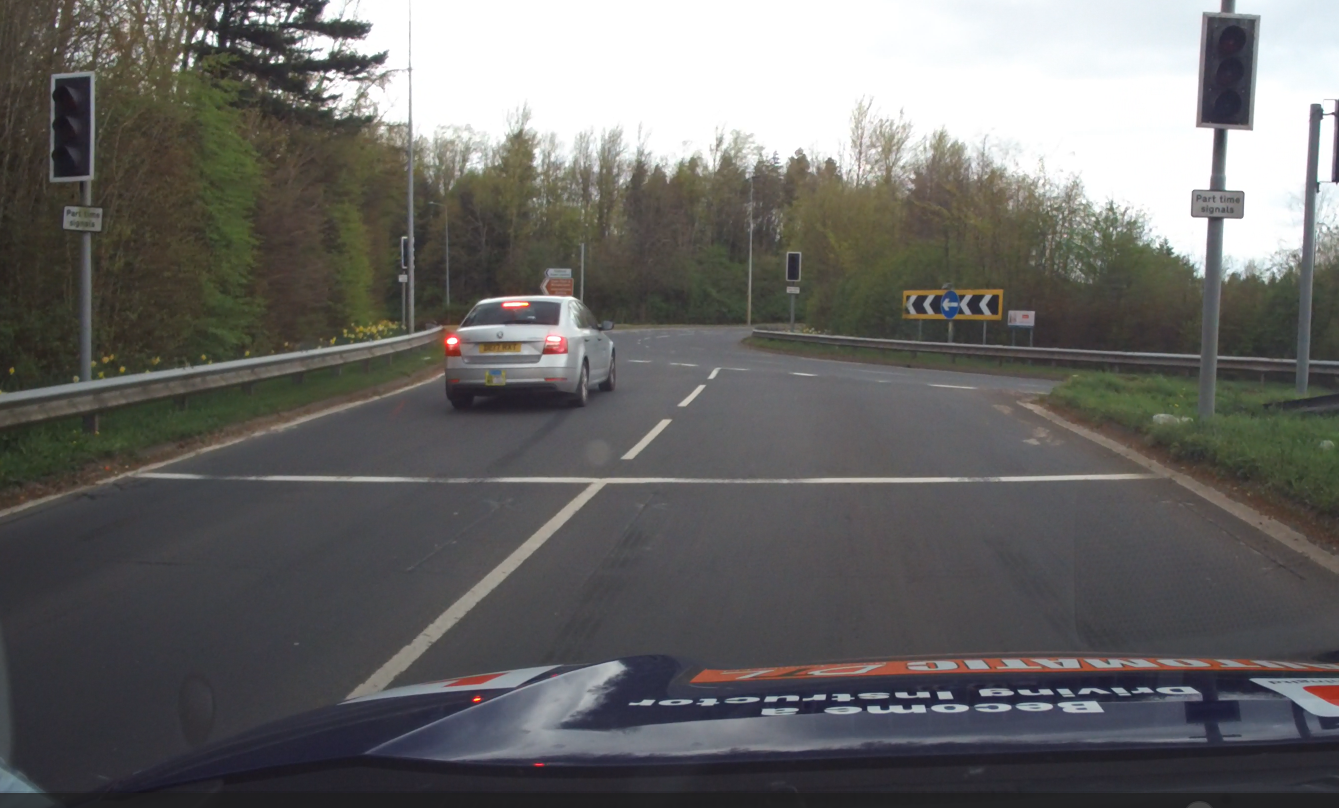
Part-Time Traffic Lights: The Shape-Shifters
Part-time signals add another layer again.
By day, during heavy traffic, the lights control the flow—structured, predictable, almost mechanical.
But late at night or in quieter periods, the lights switch off.
And just like that…
The roundabout returns to its natural state.
No signals. No staged flow. Just observation, judgement, and timing.
This is where many drivers struggle, because the environment looks the same—but behaves completely differently.
Look Assess Decide Act
If you want to handle these properly—and teach them properly—it comes down to one principle:
Never rely on a single system
Instead, combine:
Signals → What am I being told?
Markings → What rule is in force?
Observation → What are others actually doing?
Because ultimately:
Green lights don’t prevent collisions. Good judgement does.

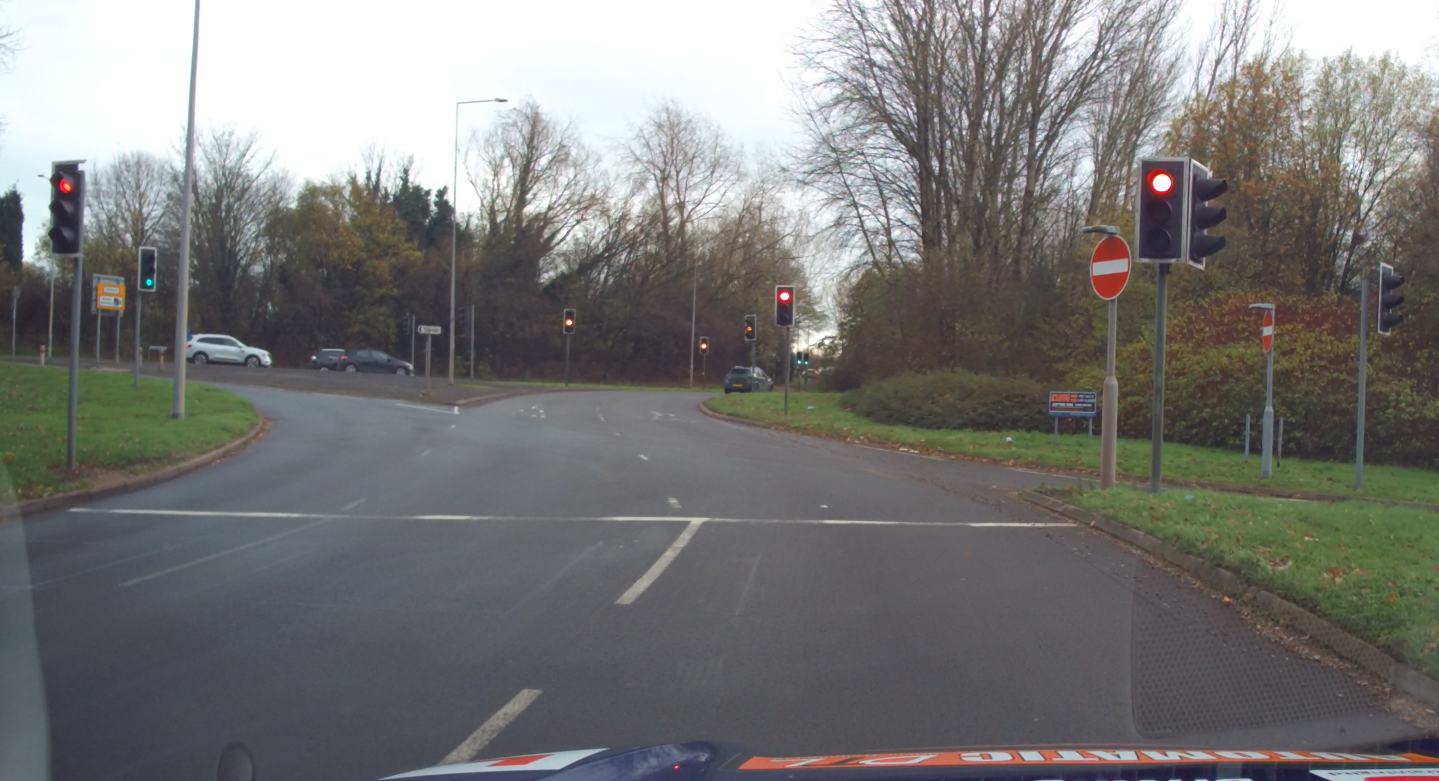
Traffic Light Controlled Roundabouts
Traffic-light-controlled roundabouts are designed to make life easier—but only if you understand what’s really going on.
Treat the green light as permission, not a guarantee.
Respect the difference between stop lines and give way lines.
And always—always—read the road, not just the rules.
That’s the sort of thinking that keeps you safe… and sets apart a proper driver from someone just going through the motions.
When Green Still Means “Wait” — Stationary Traffic Ahead
One of the most common mistakes at light-controlled roundabouts is assuming a green light gives you the right to move forward—regardless of what’s ahead.
In reality, if the exit is blocked and traffic is at a standstill, you must hold back.
Moving into the roundabout without a clear exit simply causes gridlock and, in many cases, puts you squarely in the wrong—especially where yellow box junction markings are present.
The rule is simple and time-tested: only go if you can clear it. It’s not about keeping the flow moving at all costs; it’s about keeping the junction clear for everyone.
Green Light, But Pedestrians Take Priority
A green light doesn’t cancel your responsibility to vulnerable road users. At many modern roundabouts—particularly those with crossings just before or after the junction—you may find pedestrians already crossing, or stepping out as your light changes.
Legally and morally, you must give way where required.
This is especially true where crossings are integrated into the junction design.
A good driver doesn’t charge through on green—they read the whole scene, anticipate movement, and adjust accordingly. If someone’s crossing, you wait. Simple as that.
Slip Roads: When the Rules Don’t Match the Main Roundabout
Slip roads—often called bypass lanes or filter lanes—add another twist.
You might approach a roundabout where the main carriageway is controlled by red traffic lights, yet the slip road to the left continues moving freely.
That’s because the slip road is usually not governed by the same signal phase. Instead, it operates under standard give way rules, often with a broken line and its own merge point further ahead.
The key here is not to be drawn into stopping unnecessarily. If your lane is separate and not controlled by the lights, you assess it like any other junction: check, judge, and proceed if it’s safe.
Different lane, different rules—something many drivers miss entirely