ADI Part 3 - 17 Competencies Explained
Follow us on Youtube - Books - Online Training
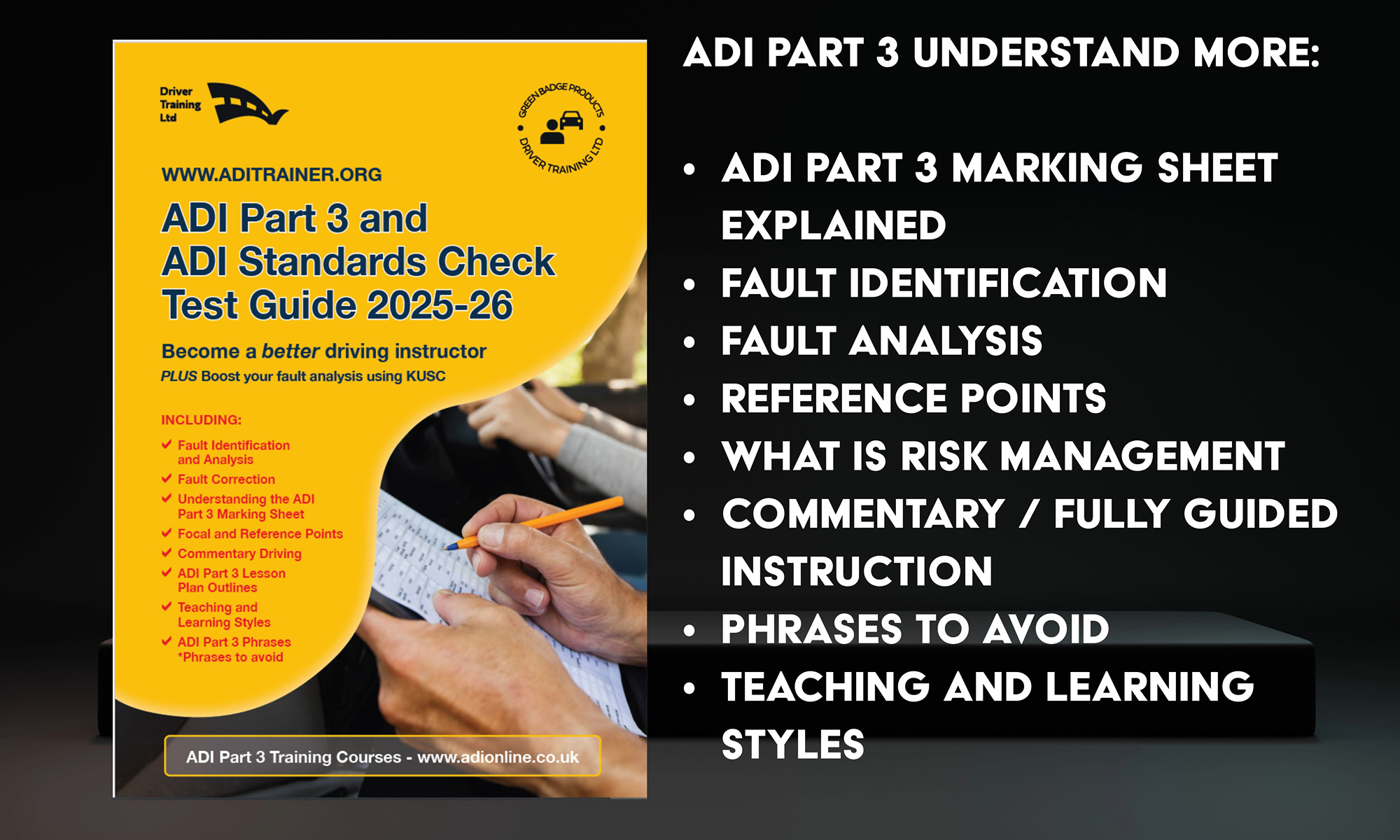
The ADI Part 3 Test: The 17 Competencies Explained
The ADI Part 3 Test: The 17 Competencies Explained
The Driver and Vehicle Standards Agency ADI Part 3 test is not about showing that you can drive well.
It is about demonstrating that you can teach safely, professionally and effectively under real-world conditions.
Below are the 17 competencies exactly as worded, followed by a detailed explanation of what each one really means in practice — and what examiners are genuinely looking for when they mark you.
1. Did the trainer identify the pupil’s learning goals and needs?
LESSON PLANNING
1. Did the trainer identify the pupil’s learning goals and needs?
Before a wheel turns, the objective must be clear.
The examiner expects to see a short but focused discussion:
What does the pupil want to achieve today?
What stage are they at?
What gaps need addressing?
This isn’t a tick-box question. It is about establishing purpose. A professional instructor does not impose a lesson — they agree it.
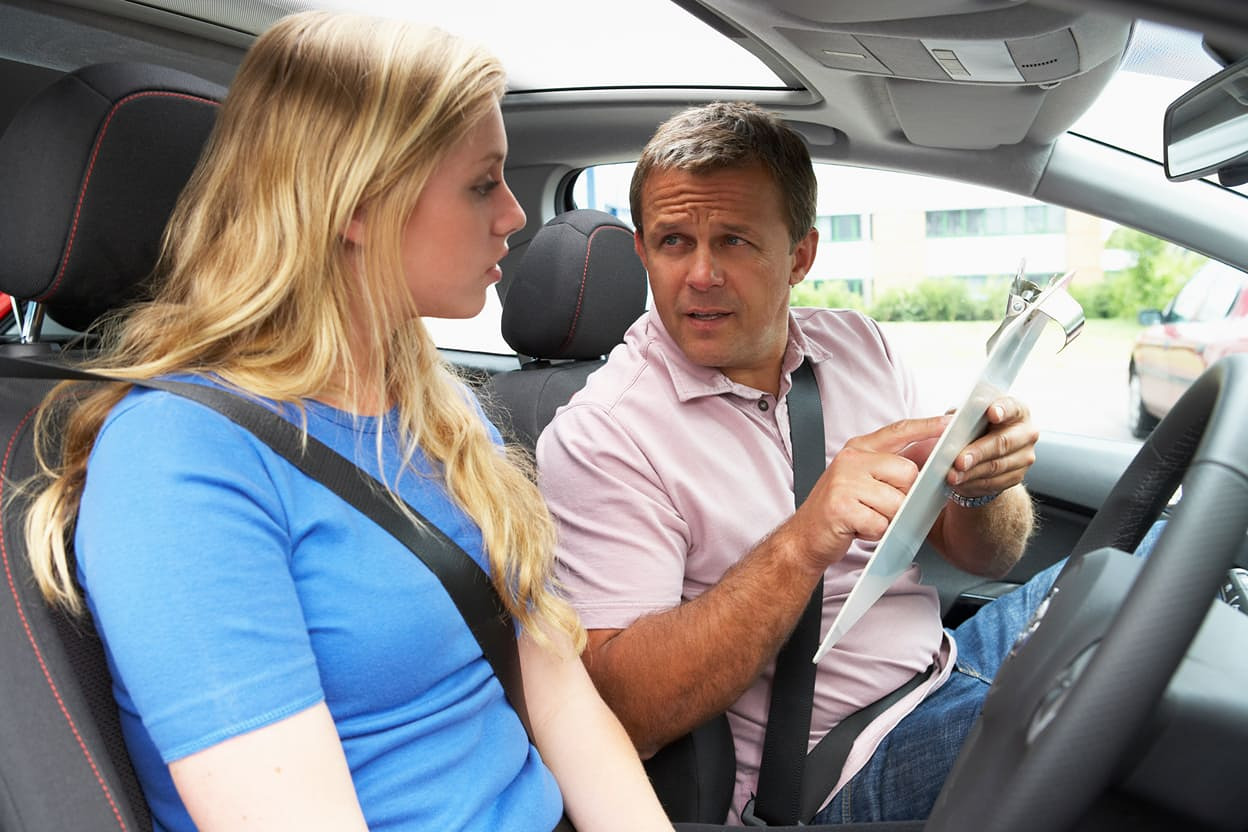

2. Was the agreed lesson structure appropriate for the pupil’s experience and ability?
2. Was the agreed lesson structure appropriate for the pupil’s experience and ability?
Structure reflects professionalism.
An experienced pupil preparing for test standard needs refinement and challenge. A nervous early-stage learner requires controlled development and repetition.
Pitch it too high and risk increases. Too low and progress stalls. The examiner is assessing whether you truly understood your pupil when you built the session.
3. Were the practice areas suitable?
3. Were the practice areas suitable?
Location matters.
A complex multi-lane roundabout is unsuitable for an early-stage pupil. Equally, an empty industrial estate is inappropriate for someone needing exposure to real traffic density.
Good instructors choose roads deliberately — not conveniently.


4. Was the lesson plan adapted, when appropriate, to help the pupil work towards their learning goals?
4. Was the lesson plan adapted, when appropriate, to help the pupil work towards their learning goals?
No lesson survives contact with live traffic unchanged.
The examiner looks for calm flexibility. If a pupil struggles more than expected, can you scale it back? If they excel, can you stretch them safely?
Rigid adherence to a failing plan scores poorly. Controlled adaptation demonstrates competence.
Risk Management
5. Did the trainer ensure that the pupil fully understood how the responsibility for risk would be shared?
This is foundational.
The pupil must know:
They are responsible for observation and control.
The instructor will intervene if safety is compromised.
Without this shared understanding, risk increases and learning diminishes. The examiner wants to see that boundaries were clearly established.

6. Were directions and instructions given to the pupil clear and given in good time?
6. Were directions and instructions given to the pupil clear and given in good time?
Timing is everything.
Late directions create stress and unsafe decision-making. Overlong instructions create confusion.
Clear. Calm. Well-timed. That is the standard.
7. Was the trainer aware of the surroundings and the pupil’s actions?
7. Was the trainer aware of the surroundings and the pupil’s actions?
This is continuous assessment.
The examiner observes:
Are you scanning ahead?
Are you anticipating emerging risks?
Are you monitoring the pupil’s developing errors?
A professional instructor is never passive.

8. Was any verbal or physical intervention by the trainer timely and appropriate?
8. Was any verbal or physical intervention by the trainer timely and appropriate?
Intervene too late and safety is compromised.
Intervene too early and you remove the learning opportunity.
A light verbal prompt at the right moment often scores higher than grabbing dual controls unnecessarily. Judgement here is critical.
9. Was sufficient feedback given to help the pupil understand any potential safety critical incidents?
9. Was sufficient feedback given to help the pupil understand any potential safety critical incidents?
Near-misses must become learning moments.
The examiner expects:
Calm explanation
Clear identification of risk
Constructive guidance for next time
Not blame. Not criticism. But clarity.

Teaching and Learning Strategies
10. Was the teaching style suited to the pupil’s learning style and current ability?
Every pupil is different.
Some respond to diagrams. Others prefer practical repetition. Some need reassurance. Others need challenge.
The examiner watches whether your approach fits the individual — not your personal preference.
11. Was the pupil encouraged to analyse problems and take responsibility for their learning?
11. Was the pupil encouraged to analyse problems and take responsibility for their learning?
Modern instruction values reflection.
Instead of immediately correcting:
“What happened there?”
“What options did you have?”
This builds independent drivers — not dependent ones.

12. Were opportunities and examples used to clarify learning outcomes?
12. Were opportunities and examples used to clarify learning outcomes?
Real traffic provides real examples.
A developing hazard is an opportunity to reinforce scanning. A busy junction is a chance to discuss planning and positioning.
Strong candidates turn situations into structured learning.
13. Was the technical information given comprehensive, appropriate and accurate?
13. Was the technical information given comprehensive, appropriate and accurate?
Knowledge must be sound.
Road positioning, priorities, speed selection, signage — explanations must be correct and relevant.
Confidence without accuracy is not professionalism.
14. Was the pupil given appropriate and timely feedback during the session?
14. Was the pupil given appropriate and timely feedback during the session?
Feedback should be:
Linked to the agreed goal
Delivered promptly
Balanced between strengths and areas for development
Silence does not equal assessment. Nor does constant commentary.
15. Were the pupils queries followed up and answered?
15. Were the pupils queries followed up and answered?
Questions must be taken seriously.
An ignored query suggests disengagement. A properly addressed one builds trust and understanding.
The examiner will notice.
16. Did the trainer maintain an appropriate non-discriminatory manner throughout the session?
16. Did the trainer maintain an appropriate non-discriminatory manner throughout the session?
Professional conduct is non-negotiable.
Respectful language. Calm tone. Equal treatment. Patience.
This reflects not only personal standards but the reputation of the profession.
16. Did the trainer maintain an appropriate non-discriminatory manner throughout the session?
16. Did the trainer maintain an appropriate non-discriminatory manner throughout the session?
Professional conduct is non-negotiable.
Respectful language. Calm tone. Equal treatment. Patience.
This reflects not only personal standards but the reputation of the profession.
The adi part 3 17 competencies
The Bigger Picture
These 17 competencies are not bureaucratic hurdles. They represent the distilled wisdom of professional driver training.
Plan properly.
Manage safety calmly.
Teach thoughtfully.
Do that consistently and the marks will follow.
But more importantly — you will be doing the job as it has always been done at its best: structured, responsible and focused on creating safe, independent drivers for life.